
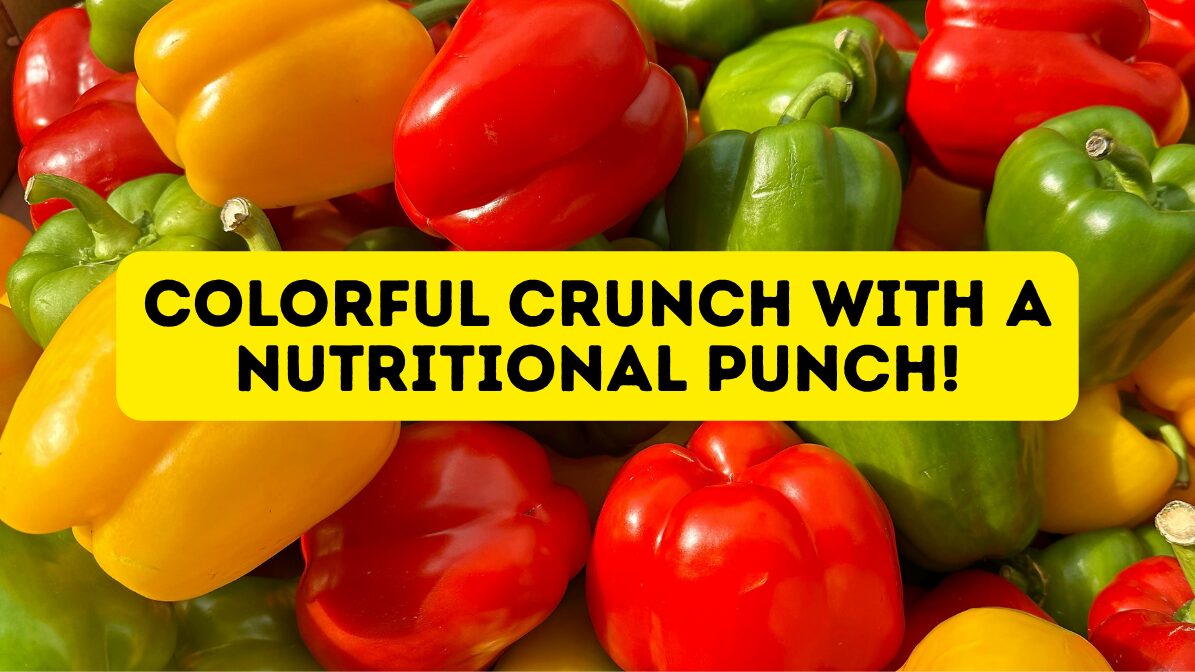
When you think of superfoods, do bell peppers come to mind?
Probably not. We often think of blueberries, kale, or other foods that get a lot of attention for their impressive nutrition. But bell peppers deserve a spot on that list too!
These colorful vegetables are at their best right now! Gardens and farmers’ markets are overflowing with fresh peppers – and will be for the next several weeks. Whether you enjoy them raw and crunchy, grilled until sweet and smoky, or tossed into your favorite stir-fry, bell peppers are an easy and delicious way to add more REAL food to your plate.
A Rainbow of Nutrition
One of the best things about bell peppers is that they come in a variety of colors – including green, yellow, orange, red, and even purple – and each adds beautiful flavor and nutrition.
Did you know that red bell peppers contain more vitamin C than oranges? They are also rich in carotenoids, including beta-carotene, which our bodies can use to make vitamin A. These powerful plant compounds help support healthy vision, skin, and immune function.
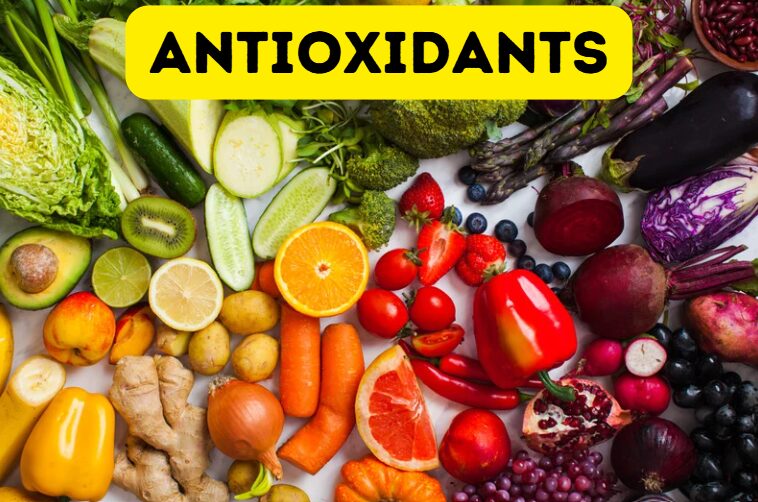
Bell peppers are also:
- High in antioxidants that help protect our cells from damage
- A good source of fiber to support digestion and help keep us satisfied
- Rich in potassium, an important mineral for healthy blood pressure and muscle function
- Naturally low in calories while adding lots of color, flavor, and crunch to your meals
And remember – the more colors you include in your meals, the wider the variety of beneficial plant compounds you nourish your body with!
Beyond Bell Peppers
Bell peppers may be the most familiar, but they are just one member of a much larger (and more flavorful!) pepper family. Peppers come in all shapes, sizes, colors, and heat levels, offering endless ways to add flavor and nutrition to your meals. Here are a few worth exploring:
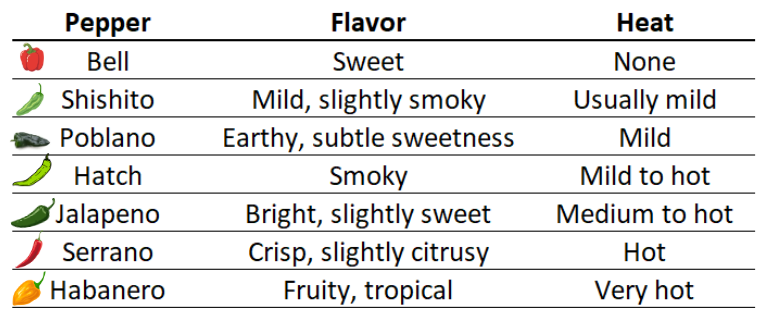
- Poblano peppers. Mild, earthy, and slightly smoky, poblano peppers are a delicious way to add flavor without a lot of heat. They are especially good roasted, stuffed, or added to soups, sauces, and tacos.
- Jalapeno peppers. A little heat can go a long way! Jalapenos add a spicy kick to salsas, guacamole, sauces, and many Mexican-inspired dishes. If you want less heat, remove the seeds and membranes before adding to your recipe (keep reading for tips on how to cut them).
- Shishito peppers. These small, wrinkly peppers have become a popular summer favorite. Even though they look a little intimidating, they are usually mild, but every once in a while, you’ll find one with a surprising kick! Try them blistered in a hot skillet with a little olive oil and a sprinkle of salt – you may become addicted to these delicious peppers!
- Banana peppers and other sweet peppers. Sweet peppers come in many varieties and colors. They are delicious raw in salads and wraps, pickled, or added to sandwiches, pizza, and grain bowls.
- Hot peppers. If you enjoy more heat, peppers like serrano, habanero, and others bring bold flavor along with capsaicin, the natural compound responsible for their spiciness. Capsaicin is being studied for its potential health benefits and is one more reason to enjoy a little heat.
- Roasted hatch chilies. Now is the perfect time to enjoy them – check out our coaching tip Don’t Let This Opportunity Pass You By!
What’s the Difference Between Green and Red Bell Peppers?
Have you ever wondered why green bell peppers are less expensive than red, yellow, and orange peppers?
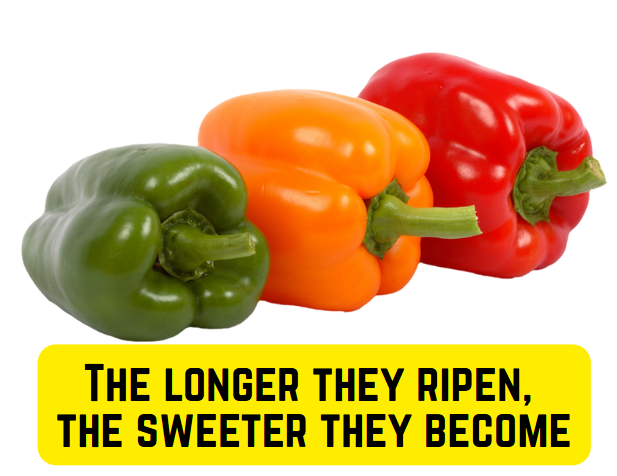
They are actually the same type of pepper – the difference is how long they’re allowed to ripen. Green peppers are harvested earlier before they fully mature. As peppers stay on the plant longer, they become sweeter and change colors.
Green peppers have a slightly more bitter, grassy flavor, while red peppers are sweeter and more mellow. Yellow and orange peppers fall somewhere in between. Try experimenting with different colors in your recipes and see which ones you enjoy most!
How to Choose and Store Bell Peppers
When choosing bell peppers, look for ones that are:
- Firm and heavy for their size
- Smooth and brightly colored
- Free of spots or wrinkles
We typically store them in the refrigerator (in the crisper drawer) and they stay fresh for at least a week (or longer!).
Cutting Bell Peppers Without the Mess

Have you ever cut into a bell pepper and ended up with seeds scattered all over your cutting board – or all over your kitchen counter?
There is an easier way!
Instead of cutting straight through the middle, try standing it upright and cutting around the core. You will keep the seeds contained, and have larger pieces that are easier to slice or dice, and waste less of the pepper.
Watch our quick video: How to Cut Bell Peppers & Jalapeños – Without Seeds Flying Everywhere!
Easy Ways to Enjoy More Bell Peppers
Bell peppers are one of those REAL foods that can easily become part of your everyday routine. Of course, you can make stuffed peppers, which are excellent this time of year. You can also add them to:

- Frittatas or scrambled eggs
- Salads or grain bowls
- Fajitas or tacos
- Stir-fries
- Soups and chili
- Dipper for hummus or other dips
- Roasted vegetable dishes
- Sandwiches and wraps
- And more!
They are delicious raw, and they’re also fantastic when you cook them. Roasting, grilling, or sauteing brings out their natural sweetness and makes them a flavor addition to so many meals.
So Many Delicious Ideas
Looking for some inspiration? Check out these ideas:
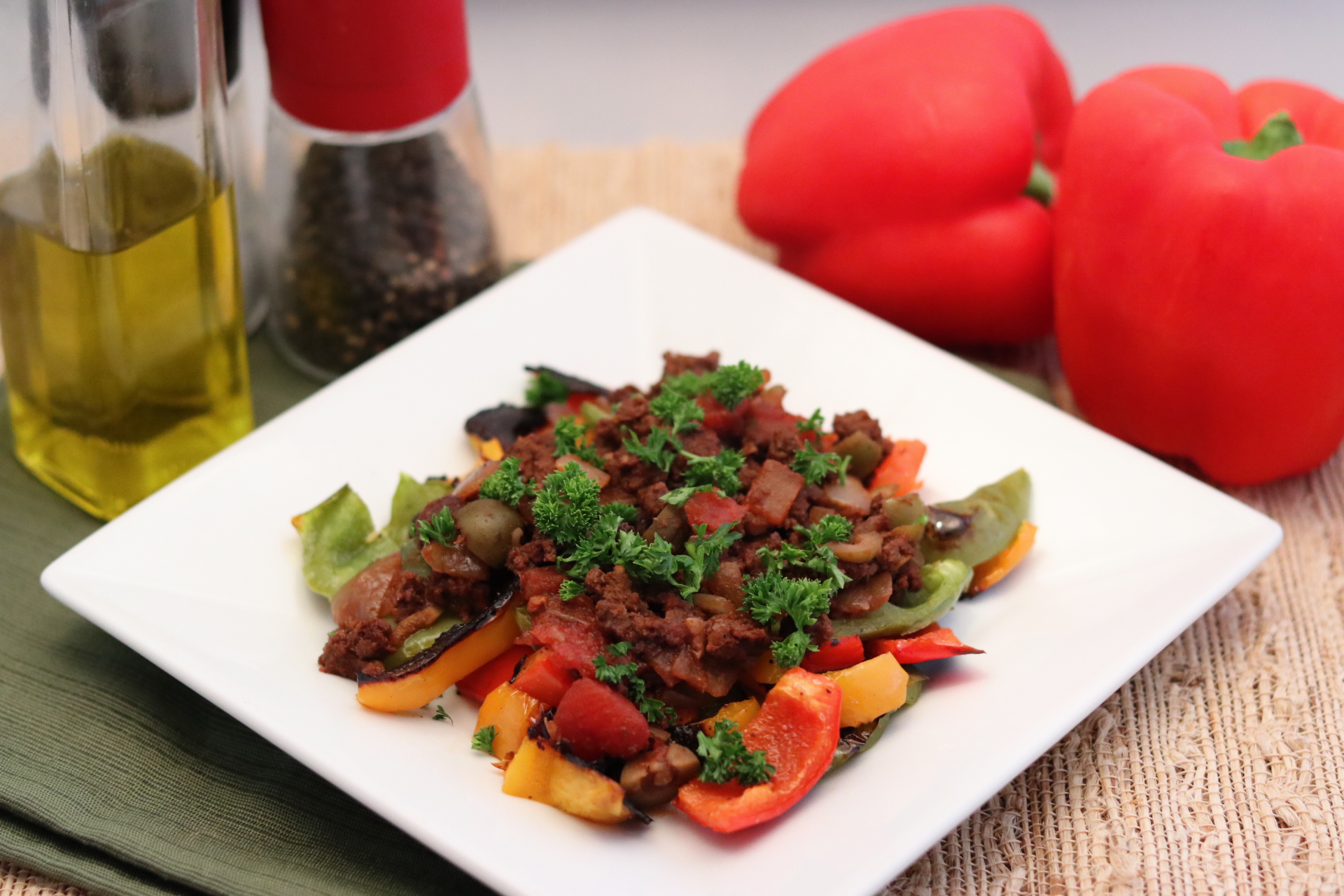
Mediterranean Tuna and Roasted Pepper Pasta
Simple Sautéed Peppers and Onions
Chorizo Stuffed Poblano Peppers
Not Your Ordinary Grilled Cheese Sandwich
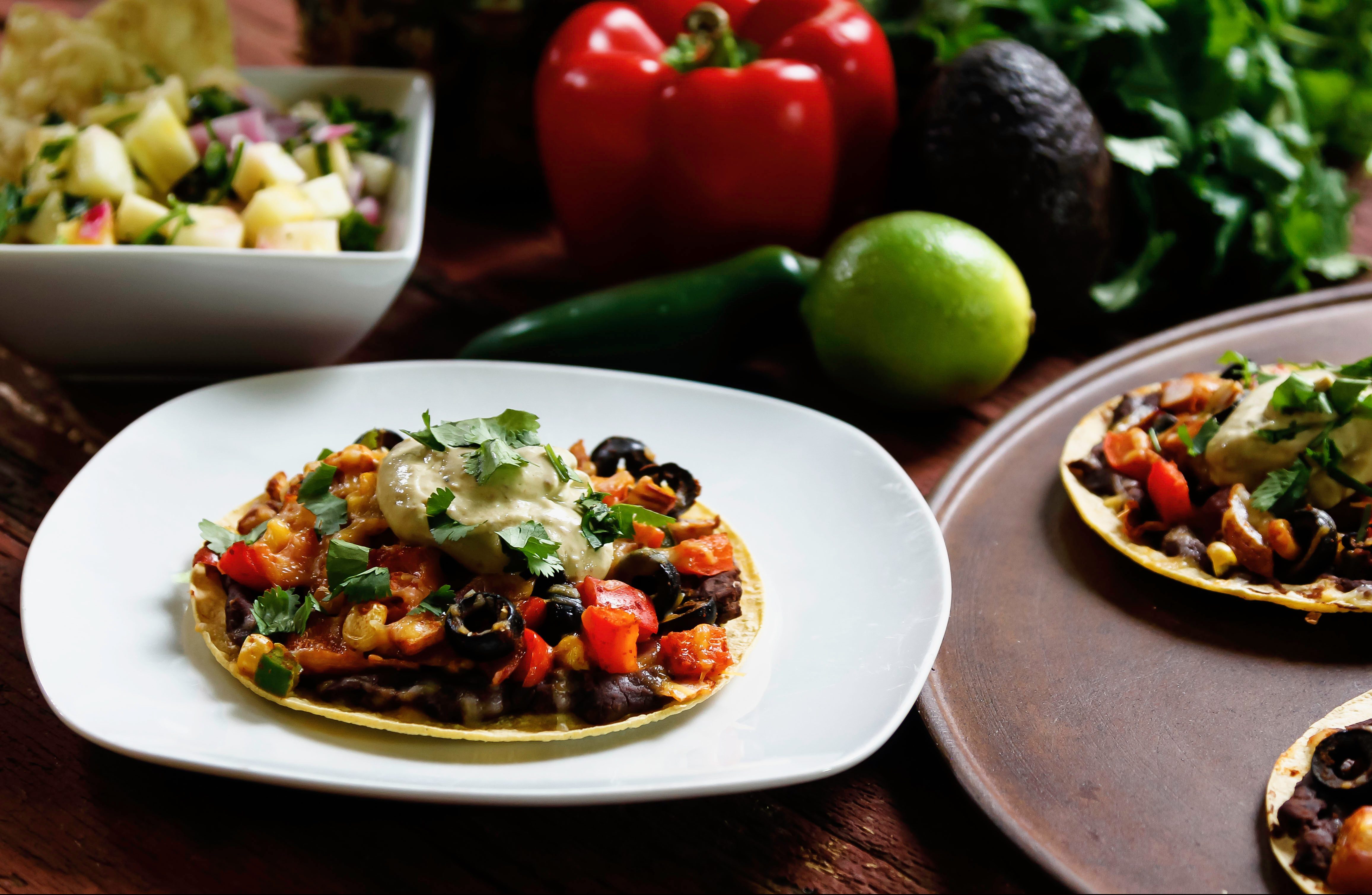
Mexican Black Bean Veggie Pizza
Thai Vegetable Noodle Stir Fry
Chile Lime Salmon Fajita Salad
Take the Challenge!
So, this August, we challenge you to celebrate the amazing variety of peppers that are available right now. Visit a farmers’ market, stop by a local farm stand, or pick some fresh from your own garden. Choose a color you love, try a variety you haven’t had before, and discover just how delicious they can be!
Leave A Comment