Kale: The Perfect Superfood to Start the New Year Strong
How many people do you know that have kicked off the new year “dieting” to lose weight?
Every January, we see the same thing happen. People decide it’s time to “get healthy,” so they start cutting things out. No sugar. No carbs. No fat. No grains. No fun!
That kind of deprivation might work for a short time, but it’s rarely sustainable – and it certainly isn’t enjoyable.
We want to encourage you to try something different this year:
Add, Don’t Subtract!
Instead of focusing on what to give up, we’re encouraging you to focus on what to add. In 2026, we’ll be highlighting one REAL, nutrient-dense “superfood” each month – simple foods you can find at the grocery store or farmers’ market, prepare without stress, and enjoy eating.
Here’s the idea:
Each month, we will shine a spotlight on one “superfood”
You experiment with it in different ways
By the end of the month, you will discover how you like it, how to prepare it, and how to keep it in your regular rotation
No dieting. No rules. Just building better habits – one REAL food at a time.
January’s Superfood: Kale
We’re kicking things off with a leafy green that’s been talked about for years… sometimes loved, sometimes misunderstood.
Kale.
Are you thinking, “I already love kale, but I am ready to learn more ways to enjoy it!” Or maybe you are thinking, “No way, I have tried kale and I am not a fan!” Whether you already buy it regularly or you’ve tried it once and sworn it off, January is your chance to give kale a fresh look—and maybe even turn it into a household staple.
The January Challenge
Try serving kale at least once a week this month, in different ways.
Get your family involved. Vote on the results. Is it a keeper or a sleeper?
From salads and soups to smoothies and stir-fries, kale is far more versatile than many people realize!
What Is Kale, Anyway?
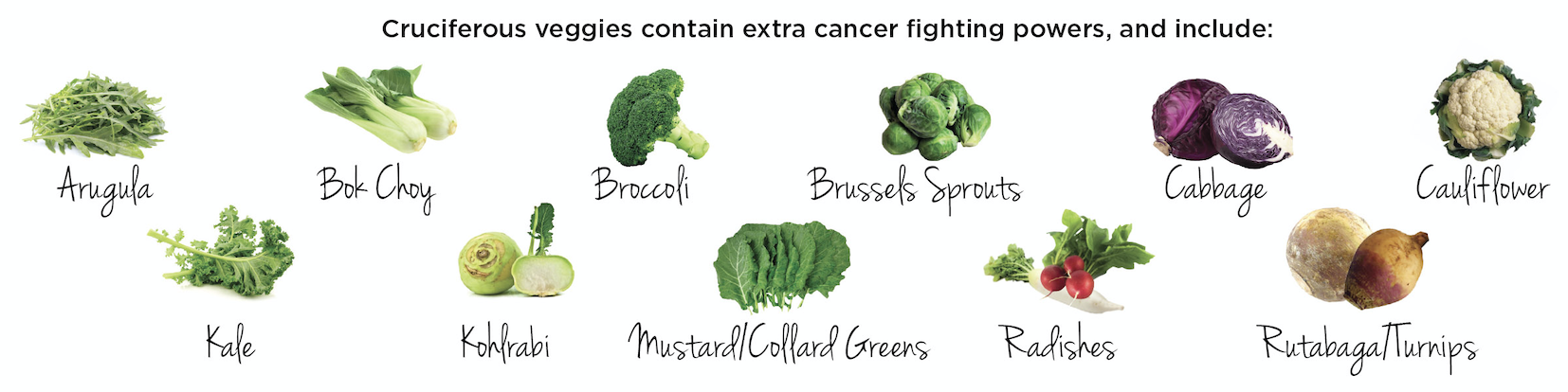
Kale is a leafy green vegetable in the cruciferous family, alongside broccoli, cauliflower, Brussels sprouts, and cabbage—foods well known for their protective health benefits.
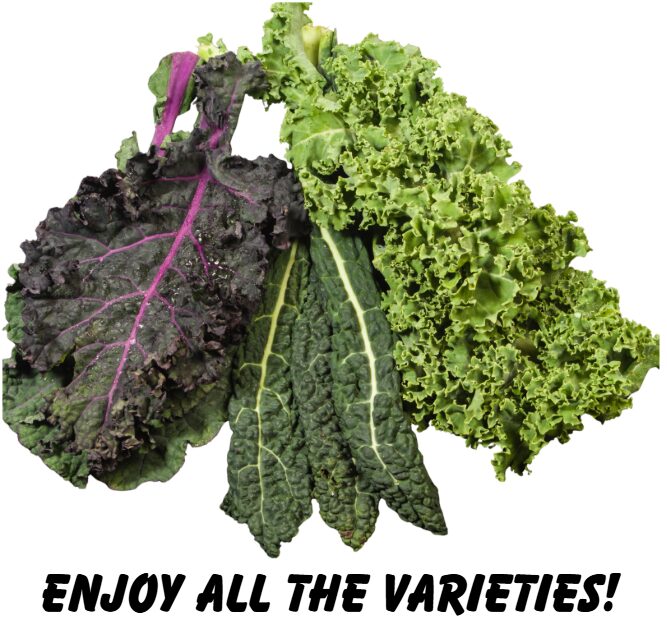
You’ll usually see a few different varieties at the store or farmers’ market:
Curly Kale – Bright green, ruffled leaves; the most common variety
Lacinato (Dinosaur or Tuscan) Kale – Dark blue-green, flatter leaves, slightly softer texture
Redbor Kale – Deep purple-red and beautiful on the plate
Red Russian Kale – Typically the sweetest variety, with flatter leaves and purple stems
All are nutritious. And all are delicious when prepared the right way.
Why Kale?
Kale earns its “superfood” status for good reason.
It’s extremely nutrient-dense for very few calories
Rich in vitamins A, C, and K, which support immunity, bone health, and overall wellness
Contains omega-3 fatty acids, which help fight inflammation
Provides fiber, protein, iron, folate, and B vitamins, supporting both brain and body health
Studies suggest calcium from kale is highly absorbable, even compared to dairy
Kale delivers a lot of nutrition without requiring a lot of effort!
How to Choose and Store Kale
When shopping:
Look for deep green or vibrant purple leaves
Avoid yellowing or wilted bunches
Smaller leaves are often more tender
To store:
Keep kale in the refrigerator in a bag with most of the air removed
It will stay fresh for several days, and in our experience at least one week
You can also freeze kale: wash, dry, remove stems, and store leaves in freezer bags.
Fun fact: kale actually becomes slightly sweeter after exposure to cold—one reason it thrives in winter.
How to Make Kale Taste Delicious
Please hear us out! Both Zonya and I have been told countless times, “It’s not possible to make kale taste delicious!” Watch this short video to see how Zonya transformed a true kale skeptic.
Kale actually has a mild, pleasant flavor, but texture is everything. How you prepare it can make all the difference.
One of my favorite kale transformation stories happened a couple of years ago at the Working Well Conference in Wichita, KS. I was giving a presentation to a group of wellness coordinators, and the organizers thought it would be fun for all 150 participants to make their own “massaged” kale salads. Yes, you read that right. We had 150 people “massaging” kale at once! My husband, Scott, joked that it might even be a world record.
After the demonstration, people came up to me with comments like:
“I had no idea kale could actually taste good!”
“I’ve had kale salads at restaurants and wondered why I couldn’t make it taste that good at home, and now I know the secret!”
And my personal favorite: “I can’t believe it, you made kale not taste like a Brillo pad – you know, something I would scrub my dishes with!”
The key? Learning to massage kale properly. Once you do, even the biggest skeptics are converted.
A Few Simple Tips
1. Remove the stems The stems can be tough. Tear or cut the leaves away and discard the stems.
2. Massage it (yes, really!)
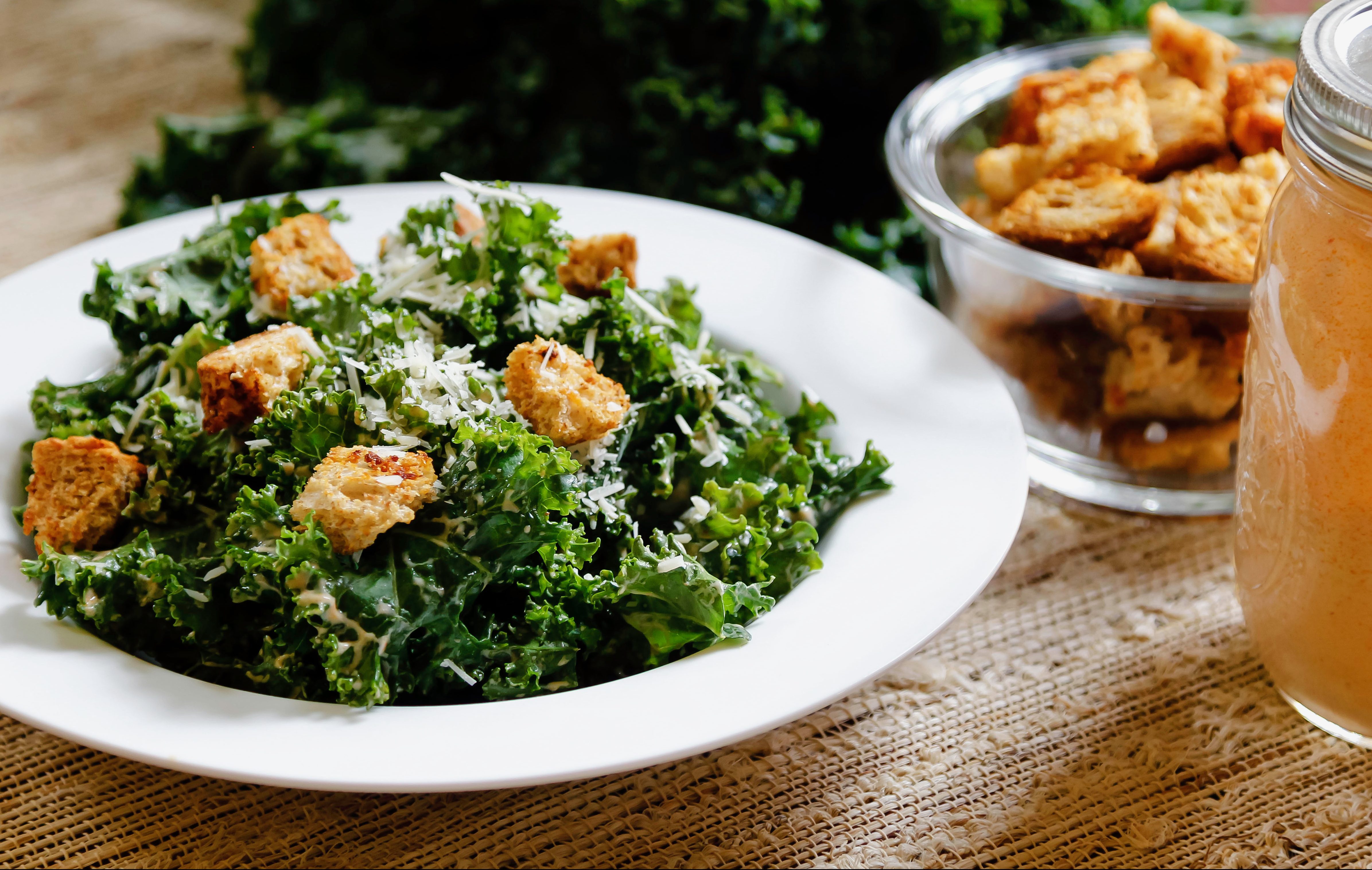
For raw kale salads, drizzle with dressing (or with a little, olive oil, balsamic vinegar, lemon juice and salt) and massage the leaves with your hands for 1–2 minutes. Let it sit for 10–30 minutes, and the leaves soften beautifully. See how easy it is to prepare the Massaged Kale Salad in this video!
This one step turns “tough and chewy” into tender and delicious.
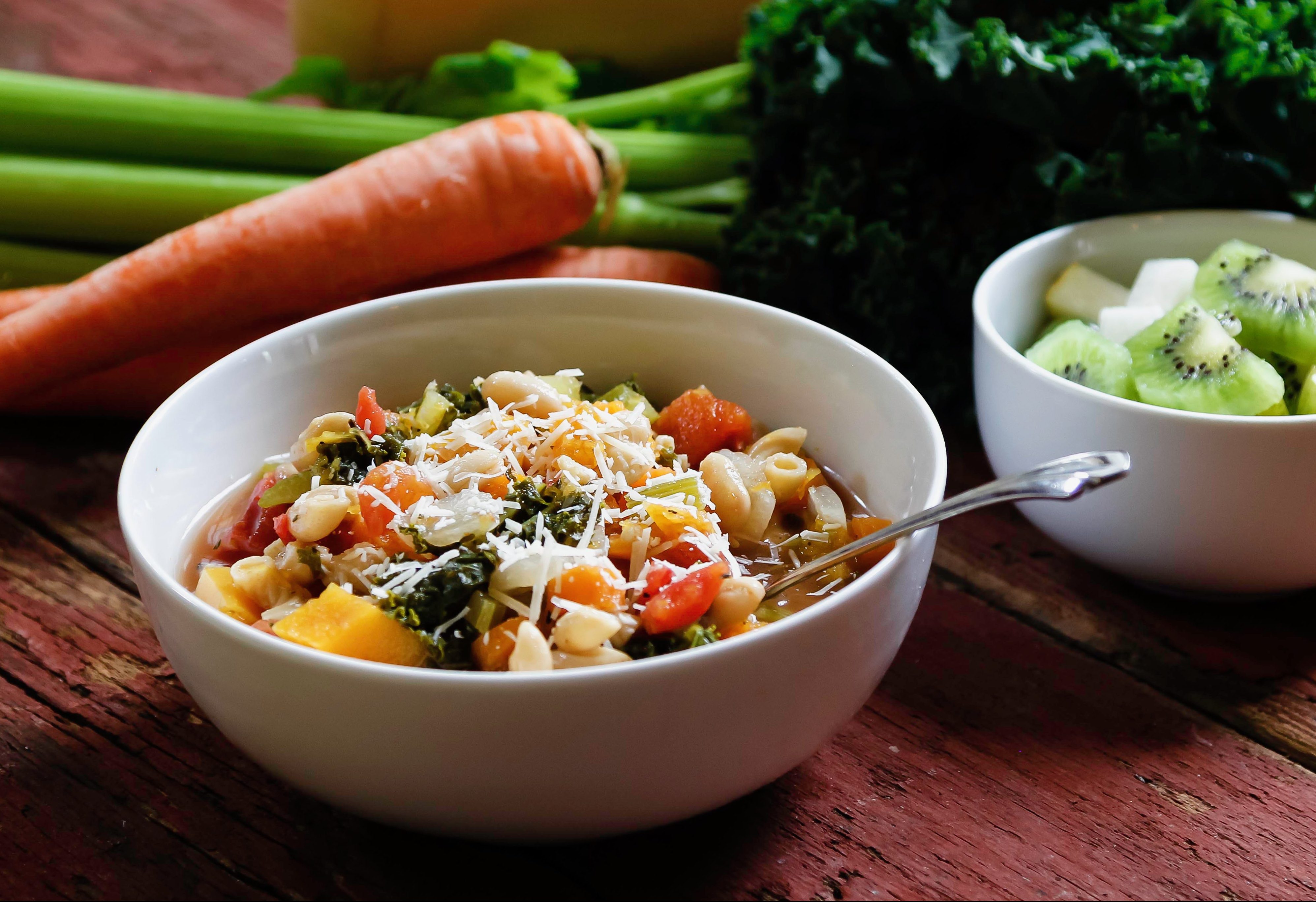
3. Use it in warm dishes Kale holds its shape in soups, sautés, and stir-fries without turning mushy like some other greens.
4. Try kale chips Toss with olive oil and salt, bake until crisp, and you’ll understand why people love them. And take the up a notch with the Kale Chips 3 Ways!
5. Blend it Kale blends easily into smoothies and pairs especially well with fruit. Check out the Glowing Green Smoothie.
A Note on Balance
Kale is incredibly nutritious, but if you take blood thinners or have kidney or gallbladder concerns, it’s wise to check with your healthcare provider before significantly increasing intake due to its high vitamin K content.
As always, variety and balance matter.
Delicious Ways to Enjoy Kale This Month
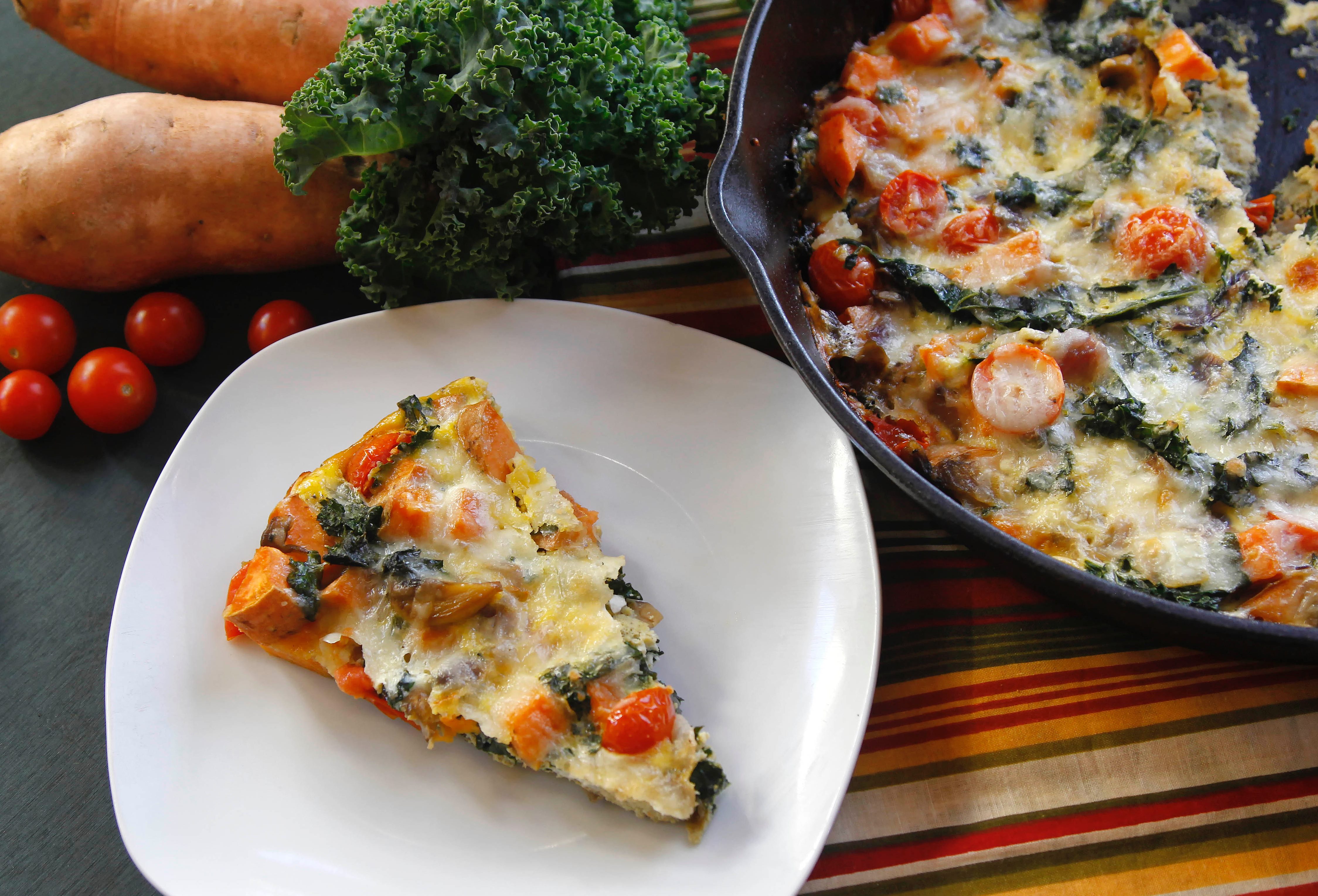
Here are just a few ideas to inspire your January Superfood Challenge:
We completely agree – massaging kale is the game-changer in making it taste fantastic! Please let us know what everyone in your Eat REAL for Your Health class thinks! Thank you!
If you haven’t already, try kale and tell us what you think! Massaging it is definitely one of our favorite ways to enjoy it — definitely improves the flavor and texture and makes it taste incredibly good!




Barb – we thought that too! Seemed crazy at first but we quickly realized “massaging” is a game changer!
We completely agree – massaging kale is the game-changer in making it taste fantastic! Please let us know what everyone in your Eat REAL for Your Health class thinks! Thank you!
If you haven’t already, try kale and tell us what you think! Massaging it is definitely one of our favorite ways to enjoy it — definitely improves the flavor and texture and makes it taste incredibly good!
Would you believe me if I told you that we had kale chips for dinner last night? And it was at the request of the teenager. :-O
Challenge accepted! I usually only buy kale in the summer time from the Farmers Mkt , but will try some store bought in a new recipe!