

Let’s face it – when it comes to beets, some people love them, and others don’t.
Some love their earthy sweetness. Others wrinkle their face and say, “they taste like dirt.”
We used to be in the “beet hater” camp. Now? We absolutely love them! So, if you or someone you know THINK they don’t like beets, please humor us and be open-minded!
Because we’re not talking about those sweet pickled things on the salad bar. We are talking about using beets in surprising ways that taste absolutely amazing! Whether roasted, shredded, spiralized, or blended into smoothies, beets will bring vibrant color, flavor and nutrition to your meals.
Rooted in Nutrition
Beets are packed with nutrients that support energy, health and vitality:
- With only 60 calories, one cup of beets has 4 grams of fiber, 2.5 grams of protein, plus folate, manganese, potassium, iron, and vitamins C and B, plus so much more!
- High in disease-fighting phytonutrients and cancer-protective antioxidants, supporting long-term health.
- Loaded with anti-inflammatory compounds (such as betaine, which gives them their red-purple color) that regulate inflammation and help reduce cholesterol and blood pressure.
- Contain compounds called glutathiones, which have been called “the mother of all antioxidants” and help cleanse the blood of toxins and waste and provide tremendous benefits for your liver and digestive system.
- Naturally occurring nitrates help improve blood flow and lower blood pressure. Many athletes have made beets an integral part of their diets!
Beets are the perfect example of why we encourage you to “love the foods that love you back.”
In season right now!
Beets are generally available year-round and are absolutely fantastic RIGHT NOW! June through October is an ideal time to enjoy fresh beets, so seek them out at your local farmers’ markets.
There are several varieties and they are NOT all red!

- Red beets – probably the most common variety, they have a deep red color and can stain your hands when preparing them in the kitchen. But don’t worry, the red color easily washes away and, if it doesn’t, lemon juice will also help remove the stain.
- Golden beets – slightly milder and sweeter than red beets, golden beets are a bright orangish-yellow color.
- Chioggia beets – naturally striped similar to a candy cane, these tend to be the sweetest variety. Keep in mind, the striped pattern will fade or disappear when the beets are cooked.
- White beets – these are less prevalent – they look similar to turnips and are not quite as sweet as the other varieties.
For the sneaky chefs out there…
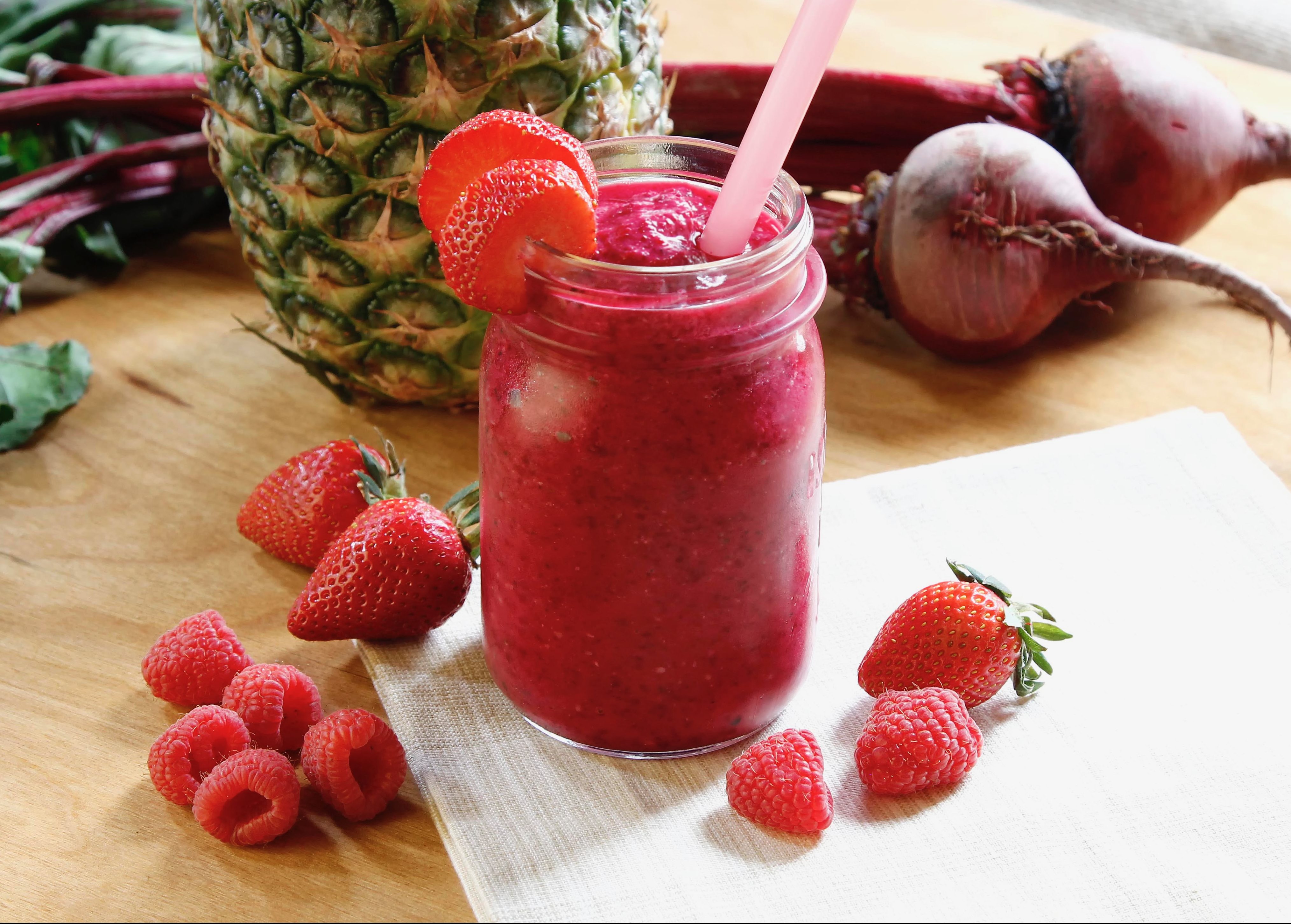
If you don’t want the beets to be noticeable, you can still add the nutritional punch without tipping off picky eaters that there is a “suspicious ingredient” involved. For example, you can use golden beets to make the flavor popping Roasted Beet Hummus. Multiple people have told us, “I don’t like beets. And I don’t like hummus. But I love this!”
They are also great added to smoothies, such as in our Super Pink Smoothie. It tastes a little like the cherry Starburst candy and has been described as “super tasty and so beautiful!”
Simple Tips to Savor the Flavor
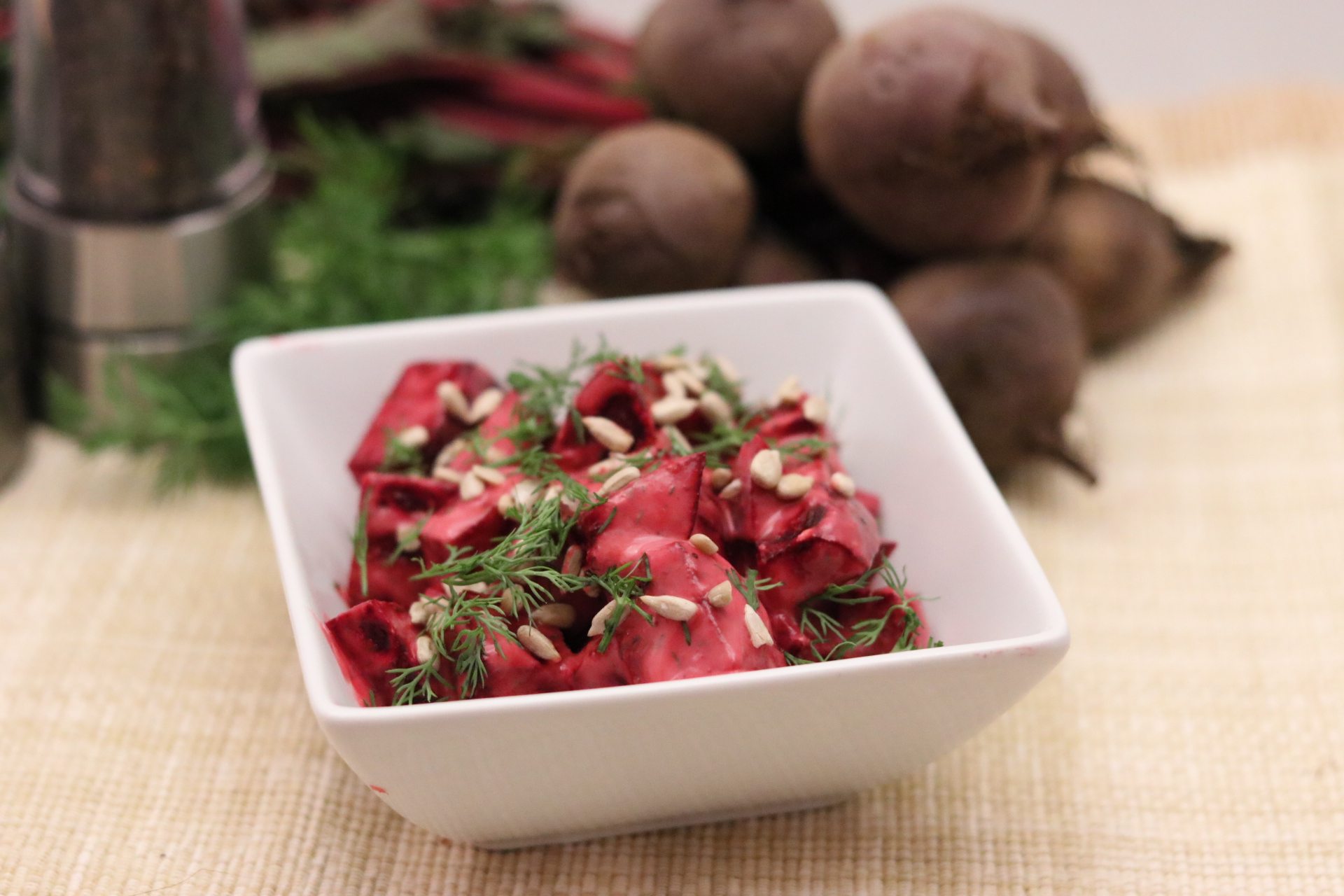
Roasting is the magic! Like most roasted vegetables, beets will caramelize and tenderize when you roast them in the oven. All you need is a little olive oil, salt and pepper. Roast them at 400 degrees for 25-30 minutes if chopped into 1/2-inch (bite size) pieces, or for 40-45 minutes if leaving them whole. If you are worried about staining, you can line your baking sheet with foil or parchment paper or wrap the beets in a foil packet. If you THINK you don’t like beets, roast them and enjoy them in the Montana Inspired Beet Salad or the Roasted Beet and Mixed Berry Salad. These are both amazing!
Peeling optional! Believe it or not, when you are cooking beets, peeling is completely optional. Simply rinse the beets well, pat them dry, trim the ends and any rough spots, and then proceed – whether you are chopping or leaving them whole.
Storing: We prefer to cut the greens and stems from the beet root, so they don’t pull too much moisture from the beet. You can leave about 2 inches of the stem, and you don’t need to wash the beets before storing. Place the beets in a plastic bag, wrapping tightly and removing most of the air, and store in the refrigerator for up to 3 weeks. Cooked beets also freeze beautifully.

Embrace the greens! Beet greens are edible and filled with nutrients. You can use them interchangeably with Swiss chard or other dark greens. They can be sautéed or added to cooked dishes and they will wilt just like spinach. One of our favorites is the Roasted Beet and Bean Salad – a friend of ours and an amazingly talented chef in Washington DC made this for his anniversary and called it “a homerun!”
Don’t stress about the after-effects! Not to get too personal, but if you are not already, you should be aware that red beets can stain more than just your hands. You may see some of that beet color for a few days later as you pass your digested food and liquids (yep, we are going there!). There is even a name for this – beeturia. So, if you are eating red beets, don’t call the GI doctor and freak out that there is something else going on – it just means you are regular, and the color is there to prove it!
Be aware: beets do contain oxalates, which can contribute to kidney stone formation in people who are susceptible. It is best to consult with your doctor if this is a concern.
More Delicious Ideas & Inspiration
Try these great-tasting ideas and see if you will be a beet-believer!
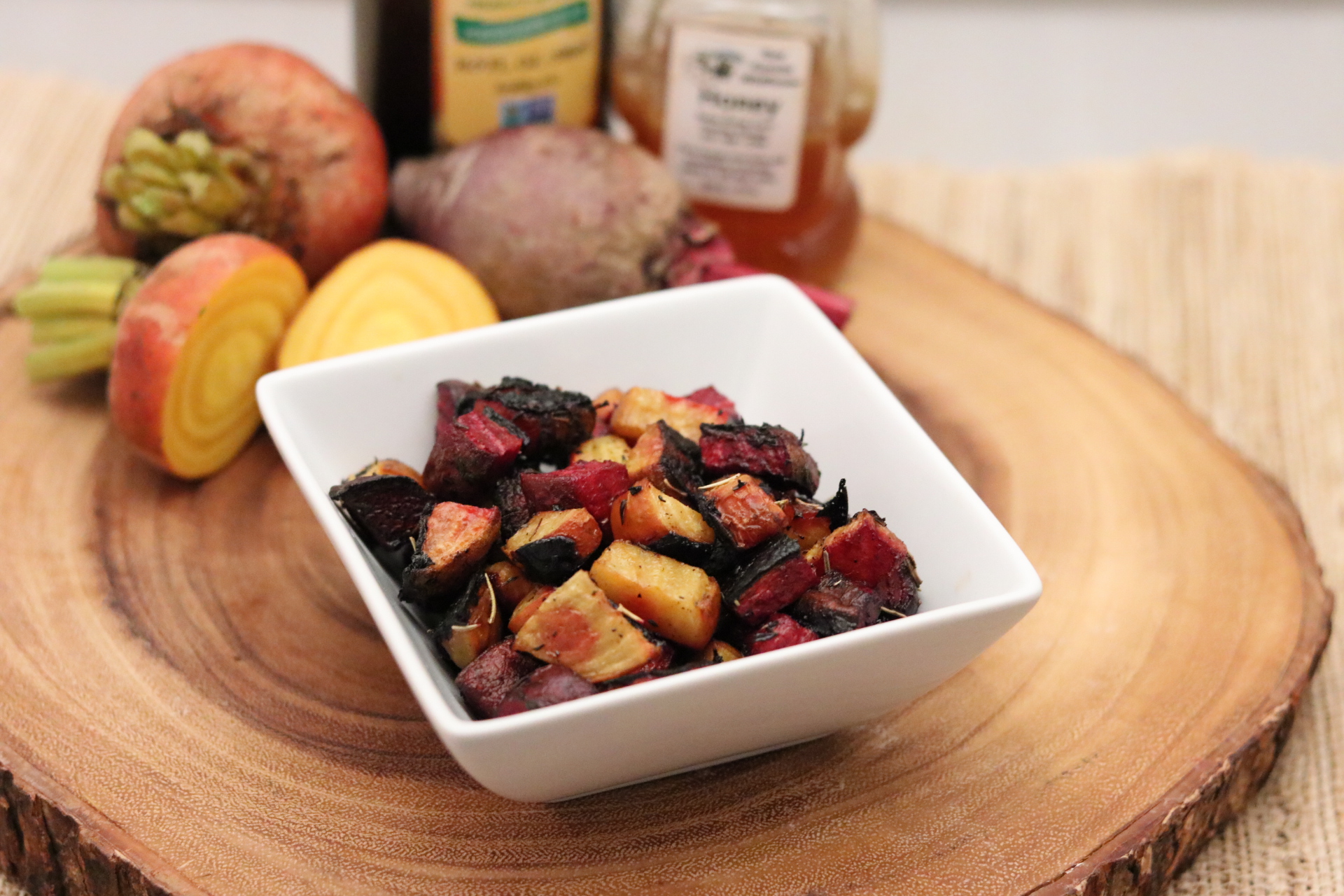
Balsamic and Honey Roasted Beets
Roasted Beets and Orange Salad
Mediterranean Burgers with Sweet Orange Salsa
Roasted Beet Orzo Salad with Blue Cheese and Walnuts
Mediterranean Roasted Potato and Beet Salad
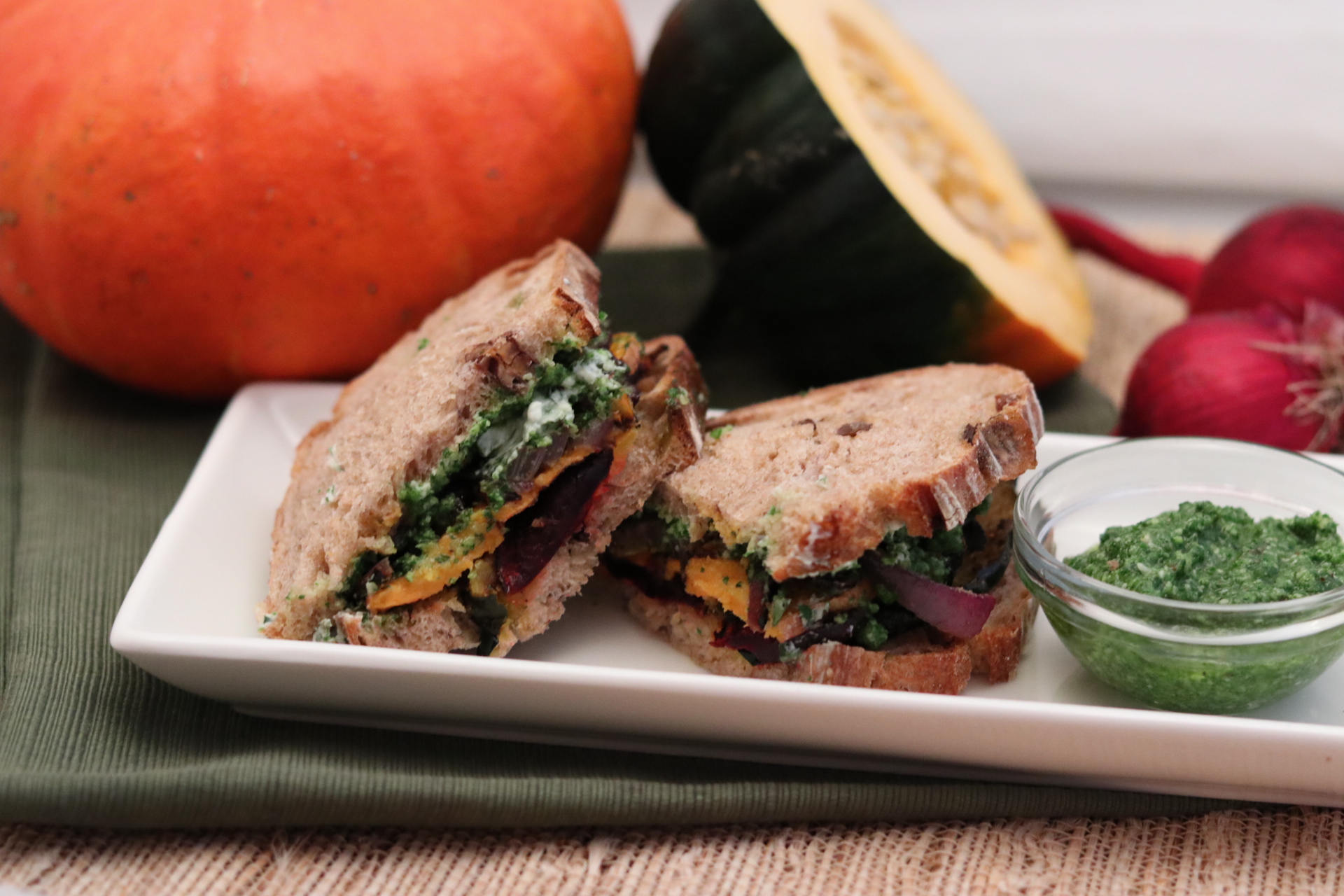
Autumn Roasted Veggie Sandwich
Roasted Beets and Carrots with Goat Cheese Vinaigrette
Pasta Primavera with Grilled Sausage
Chermoula Inspired Roasted Vegetables and Chickpeas
Where the Magic Happens

Hopefully, this inspires you to add the vibrant colors and nutrition of beets to your routine!
Challenge yourself over the next few weeks to try at least one beet recipe per week.
Are canned Beets just as beneficial and provide the same nutrients?
I going to follow your question Lou because I was wondering the same thing! I haven’t had beets other than canned but after reading the article above I have some recipes saved to my recipe box to try!
Lou, sorry I didn’t reply sooner. This is a great question! Nutrition-wise, canned beets can be a great alternative to fresh. They are still rich in fiber, folate, potassium and nitrates. Some vitamins might be lost in the canning process, but they still retain most of their nutrients.
One thing to look out for is sodium. Many canned beets include salt – the one at our local store has 250mg of sodium in 1/2 cup. To reduce this, you can rinse them before using, or look for low-sodium or “no salt added” options.
Also, some canned beets (especially pickled ones) included added sugar – or even high fructose corn syrup. If you read the ingredient labels, you should be able to find a clean option with good ingredients.
We like using canned beets on salads, especially when we don’t have time to roast fresh ones. Although I admit our preference is roasting fresh beets – we love the textures and flavors – and the nutrients are an added bonus. Hope that helps!