

“I’m so tired…I just can’t get a good night’s sleep!”
“I wake up in the middle of night, my mind is racing, and I can’t go back to sleep!”
“I just want to wake up feeling energized and ready to take on my day!”
Do those statements sound familiar? If so, you’re definitely not alone.
More and more people are struggling to get the quality sleep their bodies need. And as we head into a busy time of year with school starting back up, schedules filling up, and routines changing, sleep is often one of the first things we sacrifice.
But sleep is not a luxury. It is one of the most important foundations of good health.
Getting enough quality sleep helps our bodies and brains function at their best. It supports our ability to focus, learn, manage stress, fight illness, make healthy choices, and have the energy to enjoy life. On the other hand, consistently poor sleep is linked with an increased risk of health concerns including high blood pressure, heart disease, obesity, anxiety, depression, and cognitive decline.
The good news? The choices we make throughout the day – including what we eat – can help support better sleep.
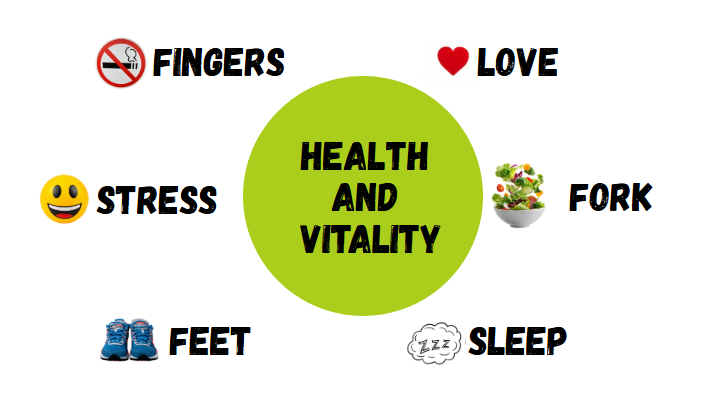
A six-cylinder engine
One of our favorite people in the lifestyle medicine world is Dr. David Katz. Dr. Katz often talks about the “six cylinders in the engine of lifestyle as medicine,” which include:
- Feet – physical activity
- Fork – eating well
- Fingers – not smoking
- Sleep – quality and quantity
- Stress – managing and preventing stress
- Love – social connection
We obviously spend a lot of time focusing on the fork (and eating delicious, nutritious REAL food) – because that is what we love to share with you. But the reality is that all six cylinders work together.
Think about it:
- If you are stressed, you may not sleep well.
- If you are exhausted, you are more likely to reach for highly processed foods.
- If you feel like you have no energy, you are less likely to move your body.
It works the other way too. When you improve one area, it often helps the others. Regular physical activity can help reduce stress. Better stress management can improve sleep. Better sleep can help you make better food choices. And nourishing your body with REAL food gives you the energy to do the things you enjoy.
When all the cylinders are firing, your body runs much better! This is why so many people in the Blue Zones thrive for so many years (many into their 100s).

Why Are So Many People Struggling with Sleep?
Let’s face it – as a society, we are not doing a great job of getting enough quality sleep. Between busy schedules, stress, screens, caffeine, inconsistent routines, and the constant feeling of being “on,” many people have trouble falling asleep or staying asleep. And when we don’t sleep well, it affects much more than how tired we feel the next day.
Poor sleep can affect:
- Energy levels
- Mood and stress
- Memory and focus
- Immune function
- Hormone balance
- Appetite and cravings
Which brings us to an important question…
How does food affect our sleep?
Have you ever noticed that after a poor night’s sleep you crave foods you normally try to avoid? There’s a reason!
When we don’t not get enough sleep, hormones that regulate hunger and fullness can become disrupted. We may feel hungrier, feel less satisfied after eating, and be more likely to reach for quick sources of energy – often foods high in sugar, salt, and unhealthy fats. Research has shown that even one night of sleep deprivation can lead people to consuming significantly more calories the following day.
This can create a frustrating cycle:
Poor sleep → more cravings → less nourishing food choices → lower energy → more stress → poorer sleep
But the good news is that the cycle can work in the other direction too!
Better sleep → more energy → better food choices → improved health
And REAL food can play an important role.
REAL foods that support better sleep
There is no single “magic” food that will guarantee a great night of sleep. But there are many nutrients found naturally in REAL foods that help support the body’s natural sleep processes. These include magnesium, calcium, potassium, antioxidants, B vitamins, vitamin D, and compounds that help our bodies produce important sleep-related hormones.
And guess what? These nutrients are all abundant in REAL foods and much less common in highly processed foods.
So, rule number one: Eat REAL Food!
Here are some foods to include in your routine:
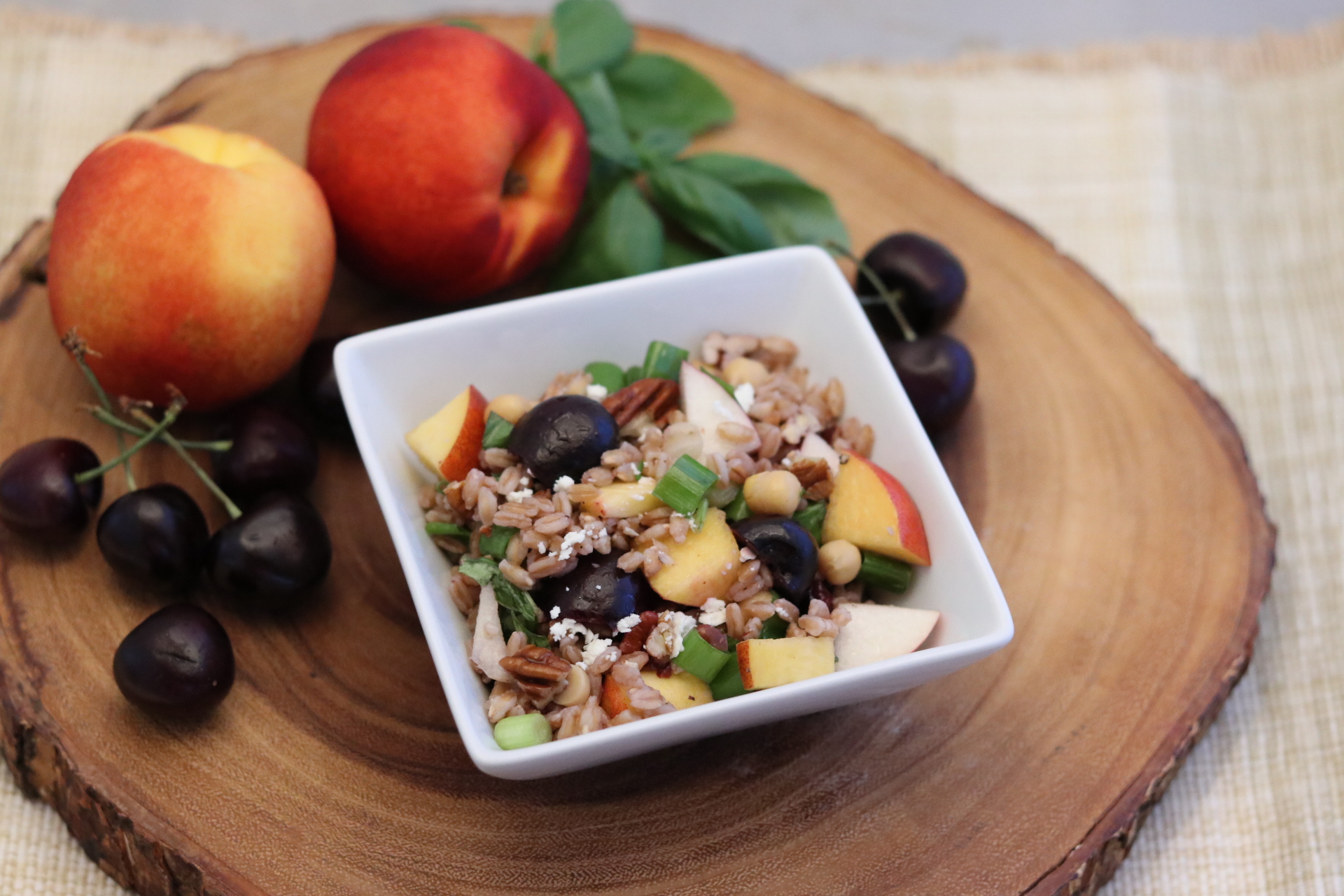
Tart cherries – including tart cherry juice and whole tart cherries – contain natural compounds that may help increase melatonin, a hormone that helps regulate our sleep-wake cycle. This is a great time of year to enjoy our Nectarine & Cherry Farro Salad!
Kiwi – packed with vitamins C and E, folate, and other beneficial nutrients. Some research suggestions that enjoying kiwi before bed may support improved sleep duration and quality. Enjoy kiwi on its own or try it in our Green Fruit Salad or Mixed Fruit Salad.
Fruit – bananas, pineapple and oranges are excellent sources of vitamin B6, which helps our bodies make melatonin. A piece of fruit paired with protein or healthy fat can make a great evening snack.
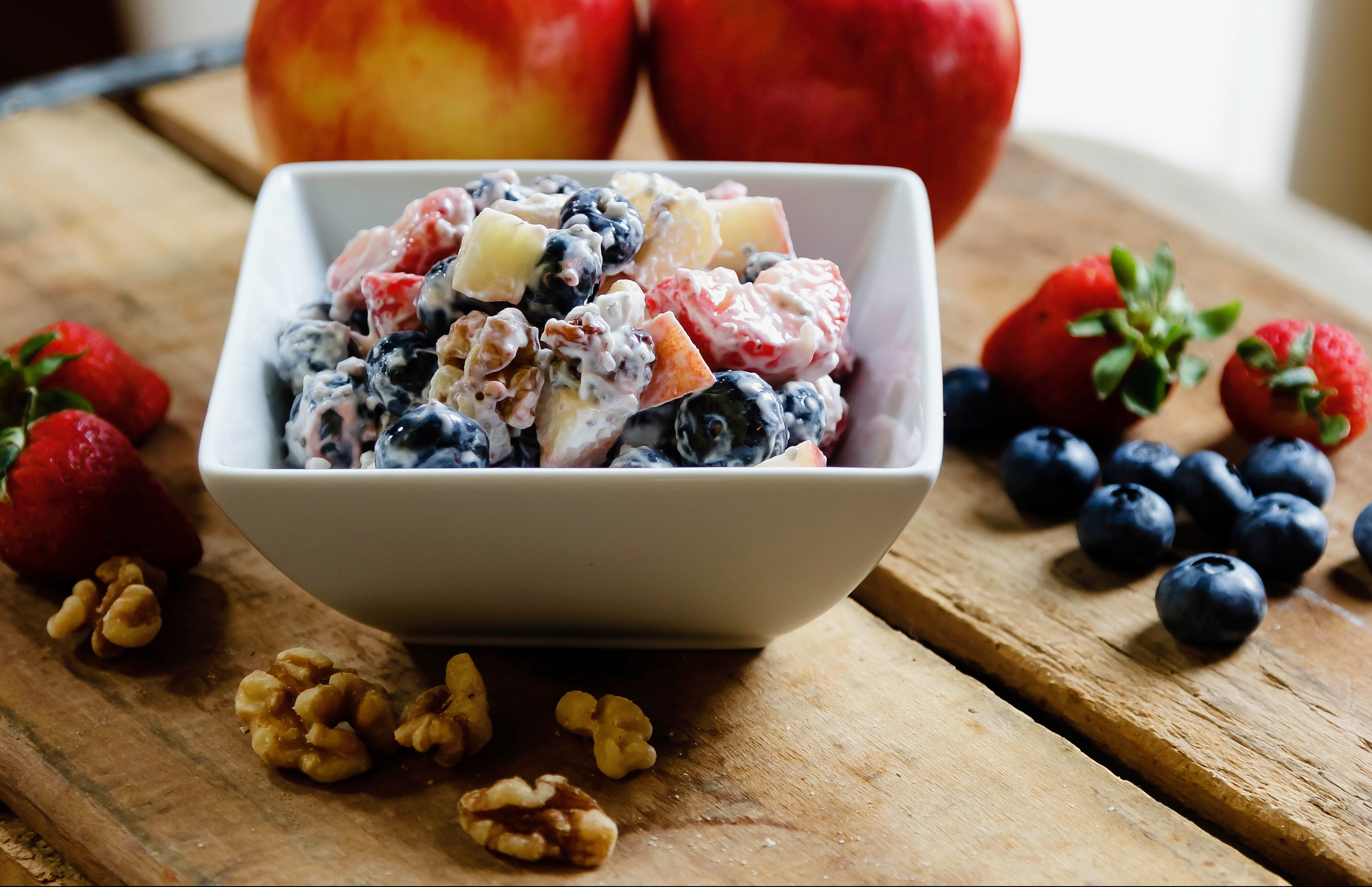
Nuts and seeds – walnuts, almonds, and other nuts provide healthy fats, magnesium, and other nutrients that support overall health and may help promote restful sleep. Try our Dreamy Fruit ‘nNutty Salad – a delicious combination of yogurt, nuts, and fruit!
Soy foods – tempeh, edamame, and tofu are excellent REAL food sources of plant-based protein. Soy foods contain compounds that may support serotonin production, which plays a role in sleep regulation and mood. Have you tried our Banana Nut Butter Pudding (with a surprise ingredient – tofu!), Tempeh Sloppy Joes or Edamame Chickpea Feta Salad?
Fish – many types of fish – especially salmon, halibut and tuna – provide vitamin B6 and omega-3 fats, nutrients that support overall health and may play a role in healthy sleep patterns.
Dairy foods – milk and yogurt contain tryptophan, an amino acid involved in producing serotonin and melatonin. A small bowl of plain yogurt with fruit or a smoothie made with yogurt and berries can be a satisfying evening snack. (Notice we didn’t say sugar-loaded ice cream!)
Whole grains – provide complex carbohydrates and important nutrients like magnesium and B vitamins. Try a small serving of oats, air-popped popcorn, or whole grain crackers with nut butter. Other ideas include our Baked Oatmeal Cups or Chunky Monkey Breakfast Cookies.

Dark leafy greens – we often think of dairy foods when we think of calcium, but leafy greens like kale and collard greens are also excellent sources. Research suggests adequate calcium intake may help support healthy sleep. Try our Kale Chips 3 Ways for a crunchy REAL food snack.
Herbal tea – a warm cup of chamomile or passionflower tea can be a relaxing part of a bedtime routine and may help your body wind down.
Other habits that can help you sleep better
Food is important, but it is only one piece of the puzzle. Try these simple strategies to help your body get the rest it needs:

- Avoid large meals before bed. A light snack may be helpful if you are hungry, but a large meal close to bedtime can make it harder for your body to relax. Your body needs energy during the day when you are active – not as much when it is preparing for rest.
- Have a caffeine cut-off time. Many people are surprised by how long caffeine can affect sleep. Caffeine stimulates your nervous system and can make it harder to fall asleep or stay asleep. Even if you feel like caffeine doesn’t affect you, it may still impact your sleep quality. Experiment with a caffeine cut-off time several hours before bed and see if you notice a difference.
- Avoid or limit alcohol. Many people think alcohol helps them sleep, but it can actually interfere with restful sleep, in part, due to the way it raises your body temperature. Read more in our coaching tip Let’s Talk About Alcohol!
- Avoid or reduce highly processed foods. These foods can contribute to blood sugar swings and cravings, making it harder to maintain healthier habits. They can not only impair your sleep but also cause you to wake up feeling hungry and craving even more of those foods. It’s a vicious cycle. Instead, fill your plate with colorful vegetables, fruits, whole grains, beans, nuts, seeds, and quality proteins.
- Move your body. Regular exercise is one of the best things you can do for your sleep, energy, and overall health. Even a walk outside can make a difference!
- Create a consistent bedtime routine. Your body loves consistency. Going to bed and waking up around the same time each day helps your internal clock know when it’s time to rest. Try to dim the lights in the evening; put away screens before bed; read, stretch, or practice relaxation; and keep your bedroom cool, dark, and comfortable.
- Clear your mind. If your thoughts start racing when your head hits the pillow, keep a notebook nearby. Write down anything you need to remember, tomorrow’s tasks, or thoughts that are keeping you awake. Getting them out of your head can make it easier to relax.

Give Your Body What it Needs to Rest
There really is a cycle at play here. When we sleep better, we have more energy. When we have more energy, we are more likely to move, cook, and make nourishing choices. And when we fuel our bodies with REAL food, we give ourselves the nutrients we need to thrive.
Many Eat REAL America members have shared that one of the surprising benefits they noticed after eating more REAL food was better sleep and more energy throughout the day. The small choices we make every day really do add up.
So, if you find yourself saying, “I just can’t sleep,” take a look at your daily routine. Are you giving your body the fuel, movement, rest, and care it needs? Start with one small REAL change and see what happens.
Leave A Comment