

What do you think of dates?
Are you skeptical, or are they a staple on your shopping list? Are they something you bought once and keep wondering, “what in the world are we going to do with these?”
Dates are sweet, sticky, and very satisfying and yes, they are one of the most powerful REAL food ingredients you can have in your kitchen!
But here’s the issue. Many people either:
- Think they don’t like dates or
- Don’t know how versatile they can be and all the ways to enjoy them.
In fact, we have done the Snickers-Inspired Stuffed Dates in several cooking demos and people routinely say, “Oh, I looked at those on the website but just kept scrolling because I don’t like dates.” Can you guess what they said after they tried them? You got it – “These are amazing – I guess I like dates after all!”
What are dates?
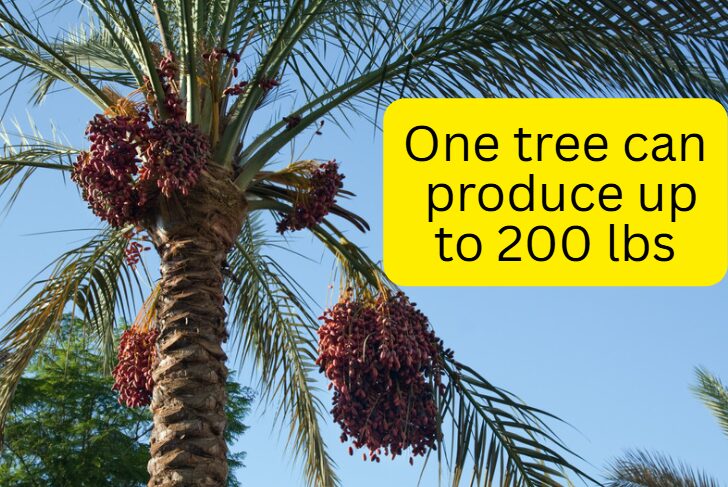
Dates are the fruit of a palm tree known as the date palm. They have been a staple food in the Middle East for thousands of years and, today, the largest producers are the Middle East and North Africa. It can take 4-8 years after planting before date palms bear fruit, and they often start producing yields for commercial harvest in 7-10 years. Mature palms can produce up to 200 lbs of dates per season and require multiple harvests since they don’t all ripen at the same time.
There are over 200 varieties of dates. They are typically grown to be 1-2 inches long. Most are brown, but some varieties can turn bright red to bright yellow when ripe. Dates contain a single stone, or pit, that can be up to one inch long.
What are the most common types of dates?
By far, the most common varieties in the U.S. are the Medjool and Deglet Noor:

Medjool Dates: these dates are the ones you typically find in the plastic containers in the produce section of your store (or at the farmers’ market in California when in-season). They are somewhat larger than other varieties and are softer and sweeter, making them ideal to use in smoothies, granola bars or energy bites.
Some say they don’t work as well in baking because they contain more moisture and can be more difficult to cut evenly. We haven’t found this to be the case.
Deglet Noor: a great, less expensive, go-to option because they are common and easy to locate in the store (typically found by the raisins or other dried fruits, such as the brand Sunsweet).
Deglet Noor dates are amber in color, chewier, and have a drier texture which makes them ideal as an all-purpose date. As a rule of thumb, you can think of one Medjool date being the equivalent of two Deglet Noor dates.
Why Dates?
Dates are typically eaten dried, which concentrates both their sweetness and their nutrition. Unlike refined sugar, dates bring more to the table:
- Natural energy + nutrients → potassium, magnesium, copper
- Fiber for digestion and to keep you feeling full
- Antioxidants that support your immune system and long-term health
- Deep, caramel-like flavor that is ideal in a variety of recipes
Dates aren’t “low sugar” – they’re “better sugar.” And they come packaged with fiber, nutrients, and flavor. They are a great way to upgrade your source of sweetness.
Pits removed?
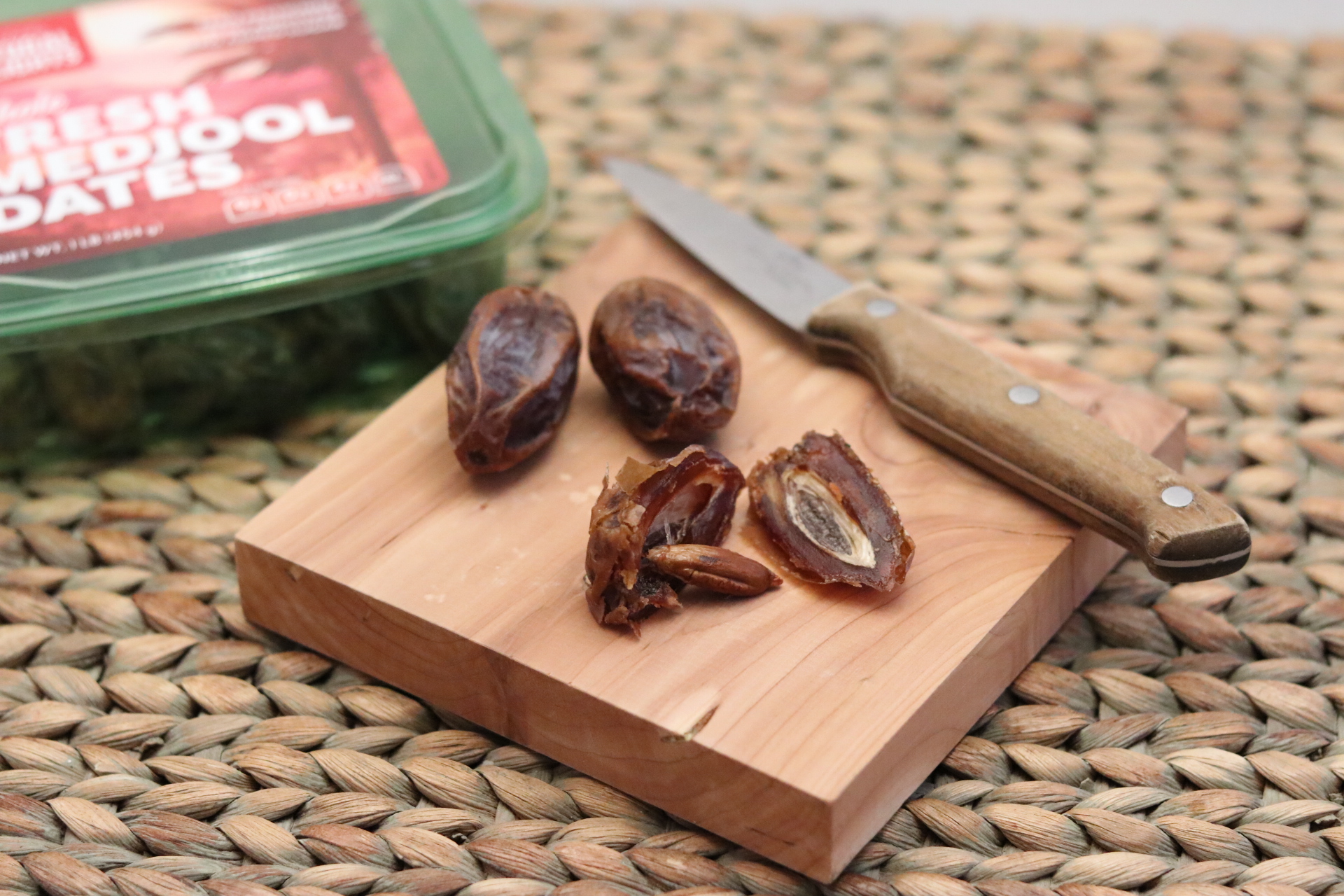
Dates naturally have pits inside them. The pits are hard and resemble a pecan. You don’t want to eat the pits (unless you feel like visiting your dentist for a broken tooth!). If you aren’t sure what “pitted” means on the package of dates, you’re not alone! “Pitted” dates simply means the pits have been removed.
If the pits haven’t been removed, it’s super-simple…you can either use your fingers to pull the date apart and the pit will easily come out, or you can use a paring knife to cut the date lengthwise to remove the pit.
Do you need to refrigerate dates?
Although dates are dried, they are usually not completely dehydrated like other dried fruits such as raisins or cranberries. Since they still contain some moisture, it is a good idea to store them in a cool dry place or in the refrigerator. Kept in the refrigerator, they will keep well for at least 6 months, and can be frozen for up to one year.
Note: occasionally dates will develop white spots on them. But don’t worry, this is likely just the natural sugar crystalizing on the surface of the dates…they are still perfectly fine to eat!
What can you do with dates?
There are limitless ways to enjoy dates…in both sweet and savory meals! Here are just a few of our favorite ideas:

- Salad topping! This is one of the most underrated uses for dates. You can chop dates and add them to a salad just like you would other dried fruit such as raisins or dried cranberries. They pair perfectly with greens (like arugula and spinach) and with whole grains (like farro, quinoa, and bulgur). For inspiration, try the Moroccan Salad with Cilantro Orange Dressing, Celery and Walnut Salad, or the Kale Salad with Spiced Almonds.
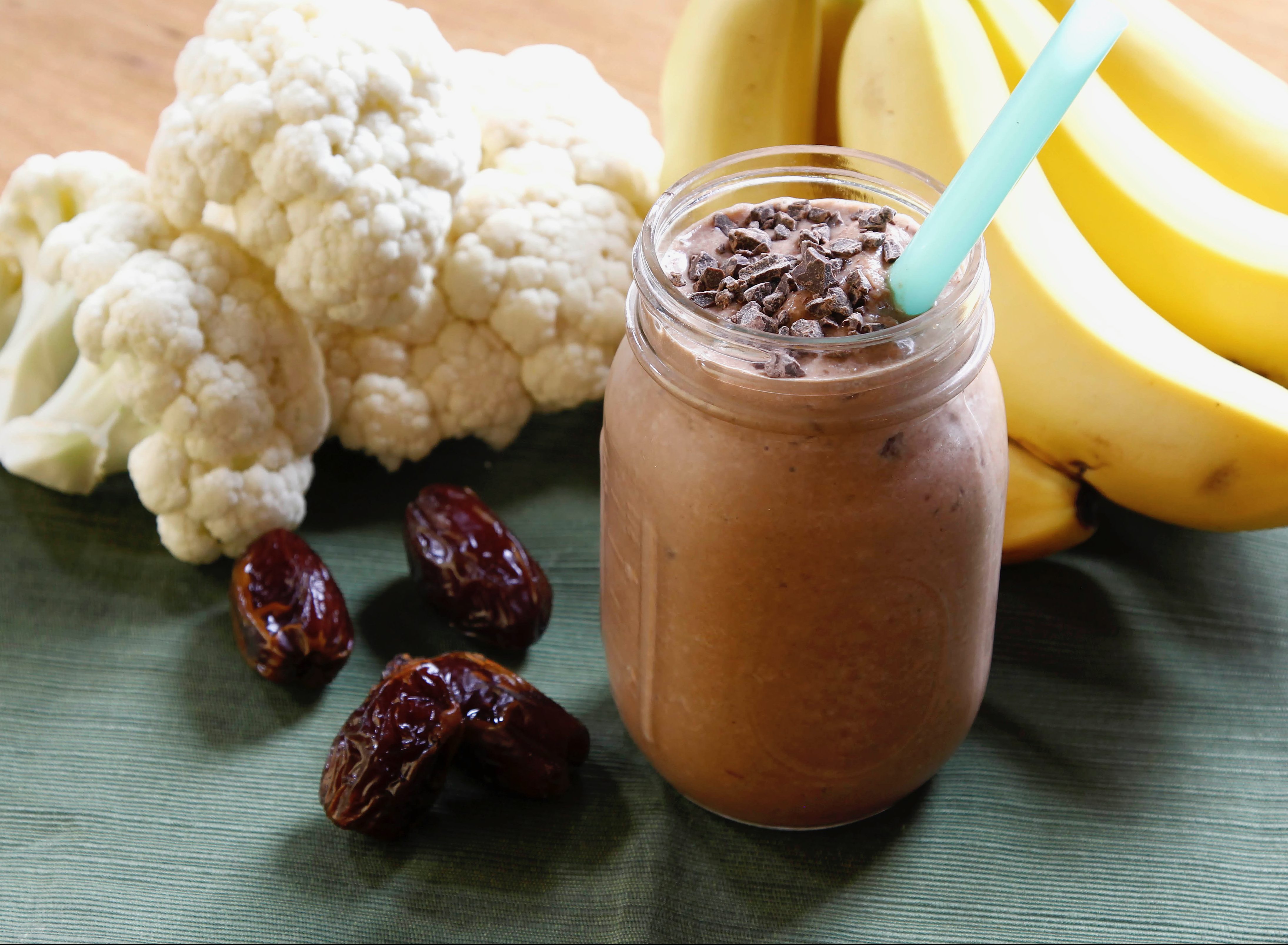
- Sweeten your smoothie! Add 1-2 dates to your smoothie to add sweetness instead of honey or pure maple syrup. Check out our Peanut Butter Cup Smoothie!
- Snack time! Dates act like a wonderful natural binder and are ideal to use in a variety of bite size snacks and sweet treats. Here are a few to try: Almond Butter Bites, Chocolate Chia Energy Bites, Carrot Cake Power Balls, Lemon Blueberry Bites
- Flavor your overnight oats and baked oatmeal! We love using dates in the Carrot Cake Overnight Oats, Gingerbread Baked Oatmeal, and the Baked Pineapple Oatmeal.
- Perfectly complement veggies! Yes, dates are ideal with a variety of veggies. If you need proof, check out the Garlicky Cauliflower and Kale with Dates and Pecans, Maple Roasted Acorn Squash with Nut Topping, or the Stuffed Sweet Potato with Dates, Walnuts and Gorgonzola.
- So many desserts! Dates are ideal to naturally sweeten so many desserts. Here are some ideas to spark some inspiration: Turtle Pecan Delights, Chocolate Citrus Bliss, Chocolate Fudge Layer Cake, Caramel Apple Samoas, Peanut Butter Turtle Parfait, Snickerdoodle Cookie Hummus, Strawberry Rhubarb Crumble, Berry and Raw Brownie Parfait. Just to name a few!
Date Paste – A Game Changer
Once you start using dates, this is the next step to try! Date paste turns dates into an everyday kitchen staple. It can replace white sugar, brown sugar, pure maple syrup, honey and other processed sweeteners.
So how do you make date paste? See how easy it is in this video:
Making Caramel Date Paste is so much simpler than you might think – just 3 easy steps:

- Add 2 cups of dried pitted dates and 1/2 cup to 1 cup of very hot water to a medium size bowl. (For Medjool dates 1/2 cup of water should be plenty, and for regular dates 3/4 cup to 1 cup of water may work better.) The water should cover the dates.
- Let soak for 15 minutes. (Do not drain, you will be adding the dates and water to blend into a paste.)
- Add the dates AND water to a food processor or blender. Blend until very smooth, using a spatula or spoon to scrape down the sides if needed. Blend until any pieces of dates remaining are very small.
Consider dividing the date paste into 1/4 cup portions and store it in the freezer. Or store in the refrigerator in a covered container for 2-3 weeks.
How to substitute date paste in recipes:
Using date paste as a substitute for pure maple syrup, honey or sugar is typically a 2:1 ratio. For example, when a recipe calls for 1/4 cup of pure maple syrup, try substituting 1/2 cup of date paste. Or if a recipe calls for 2 regular sized dried dates (or 1 medjool date) that you will be blending up, try using 1 Tbsp of date paste.
We have had great success using date paste in baked oatmeal, muffins, and breakfast cookies. We have tried it in a couple of sauces and salad dressings and weren’t huge fans because it didn’t dissolve completely like pure maple syrup or honey.
Take the Superfood Challenge!
Try enjoying dates in new ways – or making date paste and see what you think!
Then, please share your successes and thoughts with us!
Thank you for this and other great info. I love using dates, but appreciate learning about date paste. Eat Real America.com is my “go to” resource for everything food and great food tips and lessons. Keep up the great work!
Thank you Elizabeth! We appreciate you more than you know and are so grateful that Eat REAL America is a helpful resource for you!
I made the date paste and it was incredible; I also made 2 batches of “pay day” candy balls and that little ball took care of any cravings for pay day candy bars that I could ever have. Bonus: hubby also loved the candy balls and the date paste; he also tried eating a date from the bag and he really enjoyed that as well. WINNER!
Linda! I am so proud of you! Thank you for sharing that you even got your hubby on board – what a HUGE win! This makes our day and keeps us inspired, we appreciate you so much!