
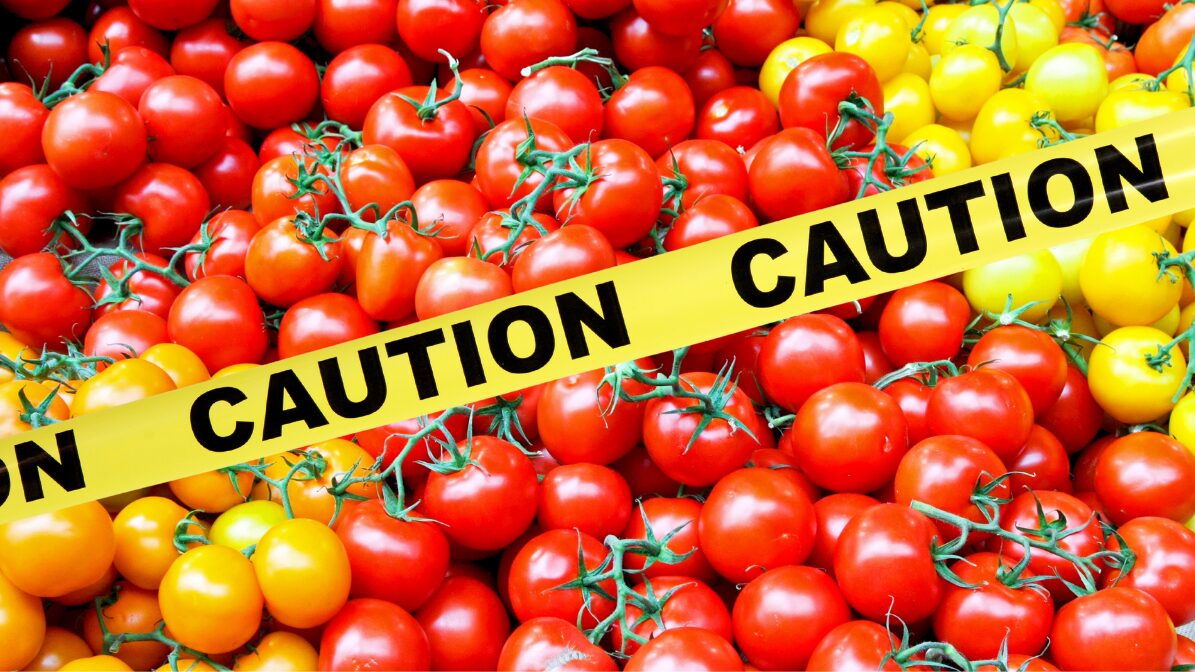
One of our Eat REAL America members shared a story that perfectly captures why so many people feel confused about healthy eating.
During an appointment with her “self-proclaimed” nutrition coach, she reviewed everything she had eaten over the past week. The coach stopped at one item.
Cherry tomatoes.
“You really shouldn’t eat those,” she said. “Regular tomatoes are okay, but cherry tomatoes have too much sugar.” Yes, she was completely serious.
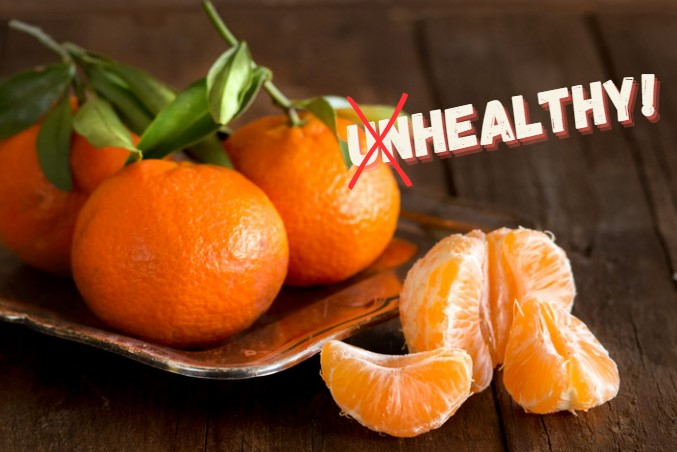
That wasn’t all. Then she said, “Clementines have too much sugar, too. Regular oranges are fine…just not clementines.”
We honestly thought this was an isolated incident, and we would never hear a story like that again.
Shortly after that, we were doing a cooking demo and a participant shared that she and her husband had also been told to avoid cherry tomatoes. At that point, we couldn’t help but laugh. And before long, the entire room was laughing together – because somewhere along the way, healthy eating has become far more complicated than it needs to be.
So…should you eat cherry tomatoes?
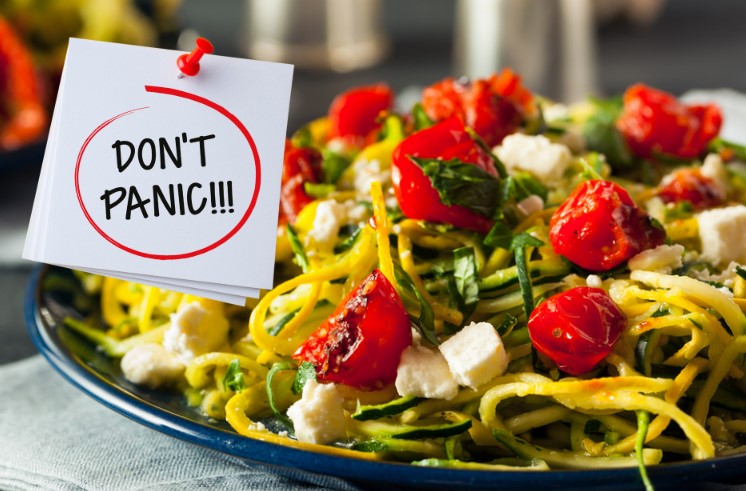
Absolutely! Cherry tomatoes are every bit as nutritious as larger tomatoes. They’re packed with vitamin C, potassium, fiber, and one of the most powerful antioxidants in our food supply – lycopene. Check out last week’s coaching tip for more about the health benefits of tomatoes.
And those clementines? Keep enjoying those too. They’re loaded with vitamin C, fiber, and a variety of beneficial plant compounds. They are not the reason people struggle with their health.
So where do ideas like this come from?
How Nutrition Advice Gets So Confusing
Many of these myths trace back to the way certain nutrition concepts were originally communicated – including the glycemic index (GI).
The glycemic index measures how quickly a food raises blood sugar after eating 50 grams of carbohydrate from that food. That sounds straightforward enough…until you look at what it actually takes to reach that amount of food.
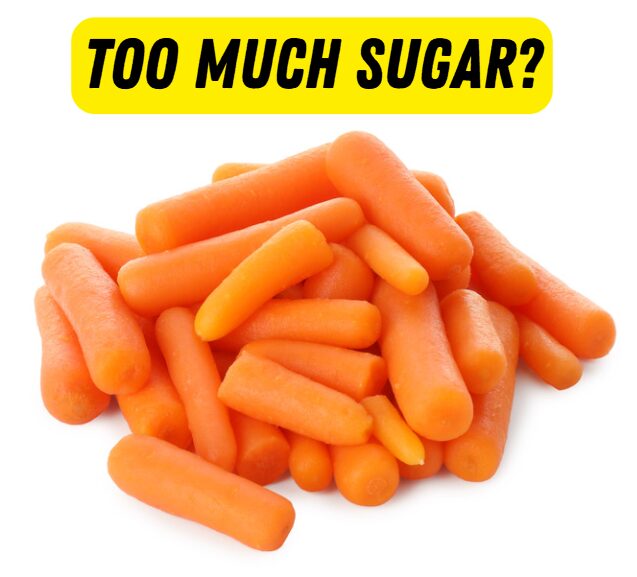
Take carrots for example. For years, people were told things like, “Don’t eat carrots – they’re too high in sugar.” But here’s the reality: it takes about 1.5 pounds of carrots to make up the 50 grams of carbohydrate used in a glycemic index test. A normal serving is closer to 3 ounces.
That’s a huge difference between how they test carrots and what people actually eat. Because of that, nutrition experts now emphasize glycemic load, which takes into account realistic portion sizes. When you evaluate foods this way, carrots – and most fruits and vegetables – have a very low glycemic load.
But by the time that nuance reached the general public, the simplified message had already taken hold. And that’s how we end up with ideas like:
- “Fruit has too much sugar”
- “Carrots are basically candy”
- “Avoid certain tomatoes but not others”
None of which reflect how REAL food actually works in a REAL diet. And unfortunately, advice like this causes people to avoid some of the healthiest foods in the grocery store.
Why this matters

The bigger issue isn’t cherry tomatoes or clementine oranges or baby carrots. It’s that so many people feel like they need to follow constantly changing rules just to eat well.
Carbs are good…until they’re bad. Fruit is healthy…unless it’s not. Fat is essential…except when it’s not. No wonder so many people eventually throw their hands up and say, “I don’t even know what I’m supposed to eat any more.”
That confusion is exactly what leads to frustration, inconsistency, and giving up on healthy habits altogether.
Keep It Simple
At Eat REAL America, we try to cut through all the noise. We focus on helping you build meals around REAL, minimally processed foods – and answering the questions that actually matter in everyday life…questions we hear frequently like:

Are seed oils healthy or harmful?
Is wine ok to drink or should I avoid it?
Is grass-fed beef really worth the extra cost?
Are dates good for someone with diabetes?
The goal isn’t more rules. It’s more clarity.
An entertaining perspective
A couple of our favorite voices in the food world include Mark Bittman and Dr. David Katz. Below is a link to an article where they provide an entertaining and informative perspective on healthy eating.
The Last Conversation You’ll Ever Need to Have About Eating Right
We love their quote:
“Cooking is the most traditional, honored, delicious, and healthy way to eat. If more of us spent time picking our own ingredients, the best we can afford, and cooked them ourselves, we’d be far better off.”
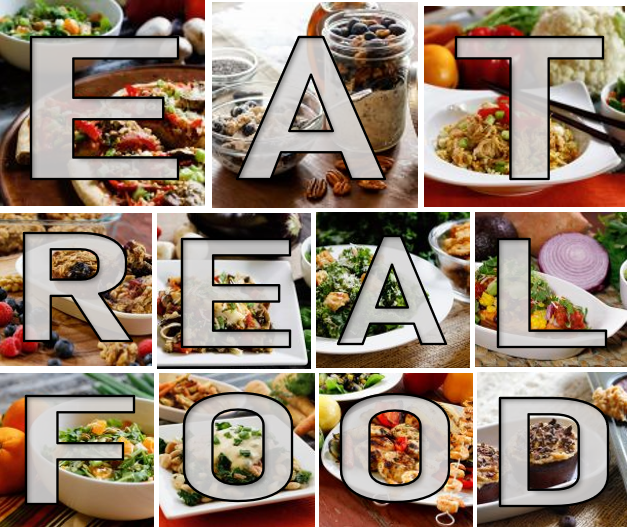
That’s the heart of it. Not perfection. Not fear of food (especially healthy food). Just REAL food, simply prepared, and enjoyed deliciously.
So the next time someone tells you that cherry tomatoes have “too much sugar,” smile, put them on your salad anyway, and remember that healthy eating doesn’t have to be so complicated.
Cook when you can. Eat with the people you love. And don’t let nutrition myths steal the joy from your plate.
Thank you to all the Eat REAL America members for all you do for yourselves, your families and friends…you are true champions!
Please keep spreading the message…
keep it simple and EAT REAL!
Lots of great info! Tks!
Love the common sense in nutrition. It makes life simpler and more enjoyable. I think you have a spin-off Nutrition Myth-Busters.