
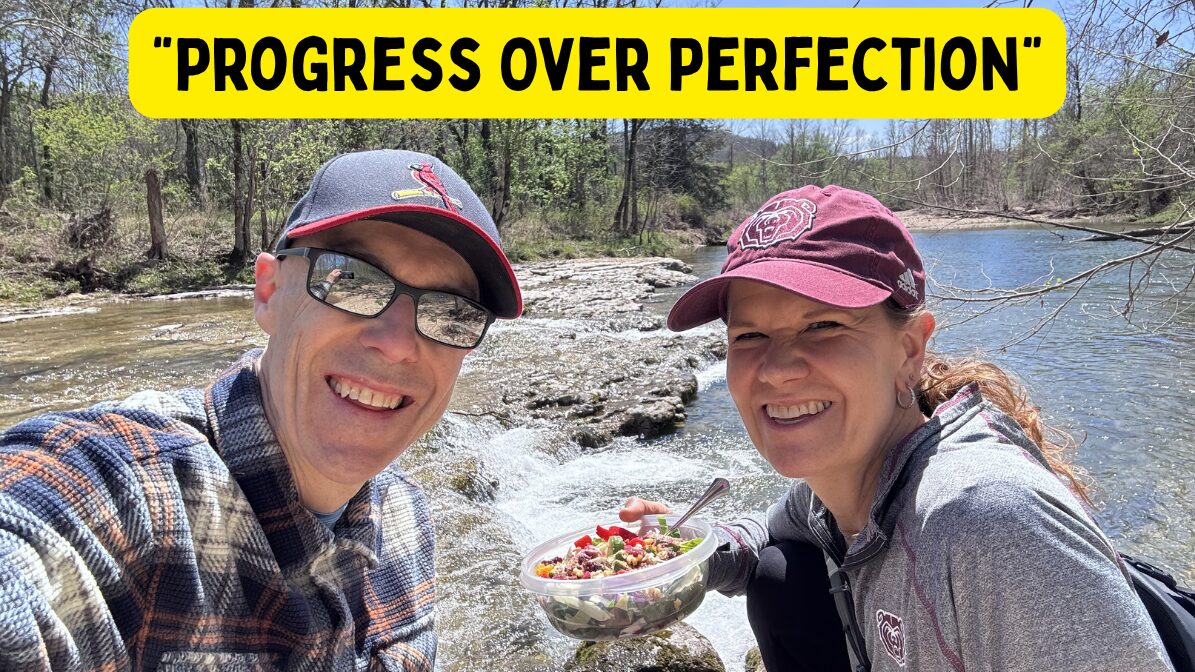
Six months ago. We loaded the trucks and made the move to southwest Missouri.
It was a bittersweet transition. And now that we’re (mostly) settled, we wanted to share five things this journey has taught us so far.
Our First Night Out
Two days after arriving in the Ozarks, we went to a dinner that ended up setting the tone for the next few months. It wasn’t elaborate or fancy. In fact, it was the opposite. A local foraging chef, Chef Dyllan, prepared the farm-to-table meal using ingredients gathered straight from the land around us – including plants we had walked past countless times without even noticing.
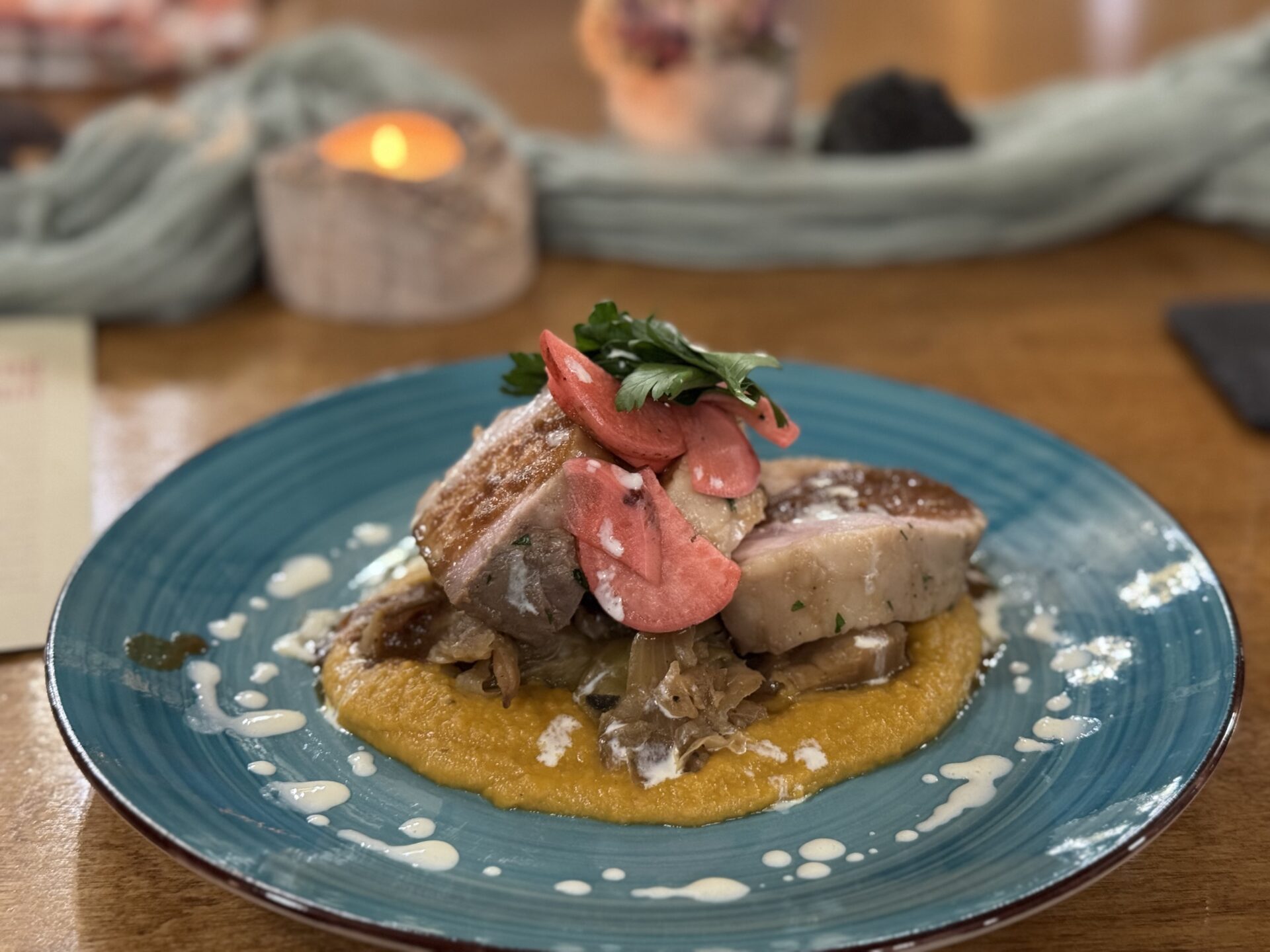
We knew Chef Dyllan had devoted hours to preparing this meal – and every dish felt intentional. Every course told a story.
That dinner was the perfect inspiration to get us thinking about our continued progression on our REAL food journey.
We’ve always cared about where our food comes from. REAL food. Clean ingredients. Transforming them into absolutely delicious meals at home. But the last six months have been pushing us even further. And getting us outside our comfort zone – remember, as we always say, that’s where the magic happens!
Here are 5 things this transition has taught us so far:
1. There is always something new to learn.
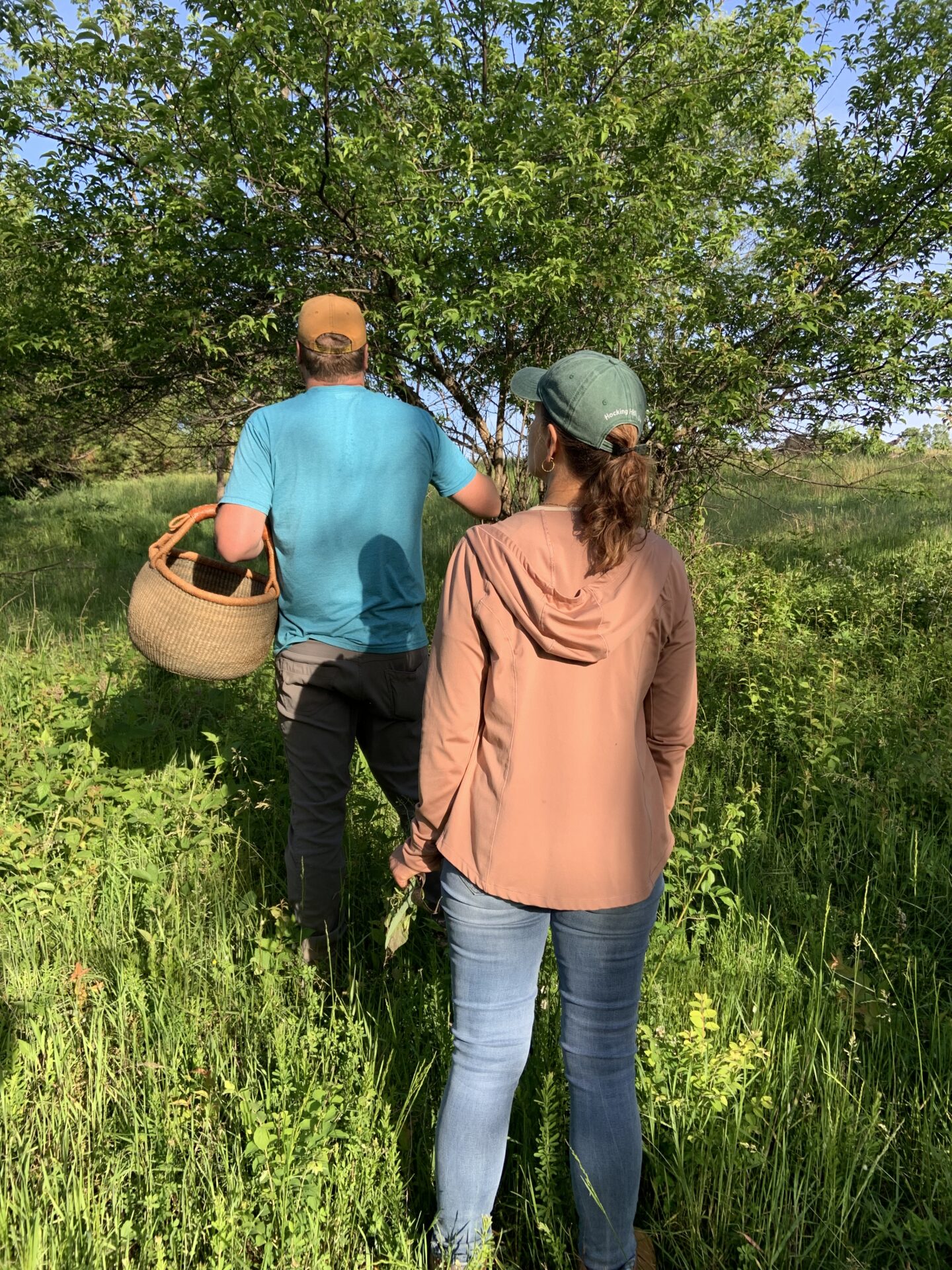
We have had several people visit our 24-acre property to give us perspective, thoughts, and advice. Shortly after we moved in, a conservation agent walked our property with us. Along the way, he pointed to something that looked like carrot tops and said, “That’s hemlock…it’s toxic…don’t touch it or let animals eat it.” Toxic? What?! That definitely wasn’t part of the plan. As we continued walking, he pointed out more – hemlock, thistle, things he warned could take over our property.
We left that conversation feeling, well, more than a little overwhelmed. Maybe even a little defeated. We realized how much we had to learn. But over time, something shifted. With more perspective (and a lot more learning), our confidence started to come back. Just last week, Chef Dyllan visited our property to help us discover all the edible plants and trees growing on our property. Thank goodness there were more than we realized – and of course there were things we’ve never heard of. Yes, more to learn!
It’s all been so humbling in the very best way. What once looked like “just woods” or “just weeds” is now starting to look like opportunity. And the more we learn, the more we realize how much we don’t know!
2. It’s about progress, not perfection.
After that first overwhelming visit, we called some good friends who are amazing stewards of their own land and animals. “Linda, what have we done? Our property is full of toxic weeds!” In a calm and soothing way, she said the first thing we needed to do is, “take a deep breath…this is about progress, not perfection.” That stopped us in our tracks. That’s exactly what we tell people who are feeling overwhelmed on their REAL food journey. And yet – we needed to hear it ourselves.
We didn’t move here with everything figured out. Not even close. There are still areas of our land we don’t fully understand. Plants we can’t yet identify. Systems we’re trying to understand – and slowly working to improve.
Linda told us to “just observe.” See what’s happening. Are there signs of things getting better? Even if they are small changes, they add up over time. Again, that’s exactly what we tell people about eating REAL food! When we were walking the property with Chef Dyllan last week, we were SO excited as we noticed ducks at the pond for the first time – we will count that as progress!
3. There is joy in finding like-minded people.
One thing hasn’t changed: we love being around people who care deeply about REAL food. And the good news? They’re everywhere. From Wichita to the Ozarks – and everywhere we travel – we continue to find people who are passionate about REAL food, stewarding the land, and doing things with intention.
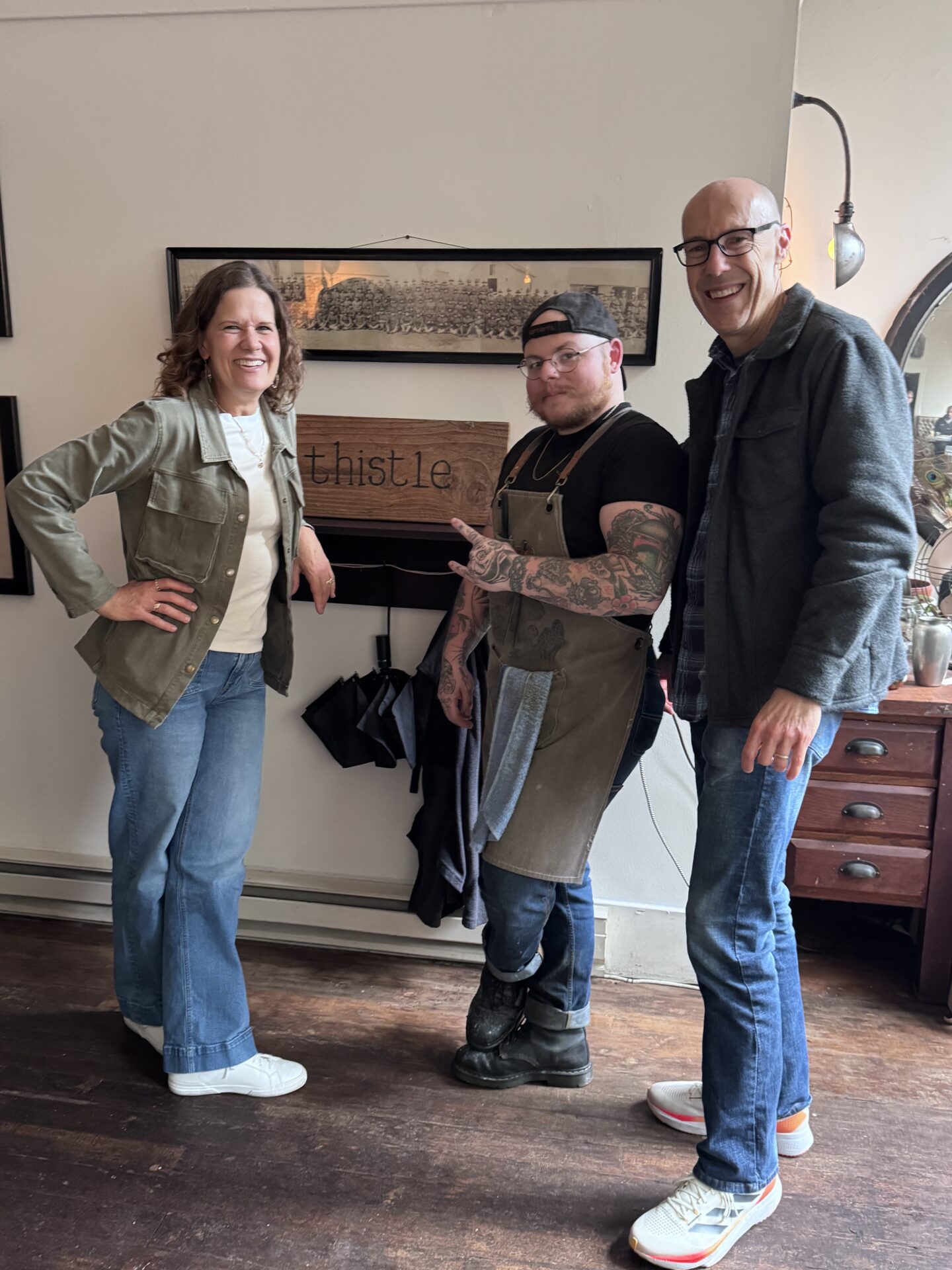
Since moving, we are getting to know many local farmers and producers. We have met fellow foragers who are super passionate about finding foods in nature. We’ve discovered restaurants who are taking their sourcing to the next level, focusing on hyper-local, in-season ingredients. A couple of weeks ago on a trip to Oregon, we met a chef who uses a chalkboard for his menu because it constantly changes based on what is available locally. That night, we enjoyed a gnocchi dish with locally foraged stinging nettles, garlic and pumpkin seed pesto. Of course, we had great conversations and even ended up posing for a quick picture.
There is something powerful and inspiring about being around others who are passionate about REAL food and are constantly trying to find ways to help others and help our environment.
4. Question “that’s the way we’ve always done it.”
Owning and stewarding land has a way of challenging assumptions. It is forcing us to slow down, stay curious, and ask better questions.
For example, the common advice for unwanted weeds is, “you just need to spray.” We used to think the same way. In Wichita, we had invasions of army worms and our knee-jerk reaction was “well, we need to spray to get rid of them.” Now we are trying to think about this more critically – and ask better questions. “Are there other alternatives?” “How can we improve the good stuff to crowd out the bad stuff?”
After decades of suburban living, we have definitely had to reprogram our brains. Throughout all those years, the focus was on trying to have a well-manicured yard full of fescue grass. Dandelions and crabgrass were frowned upon. We quickly realized we need to flip that mentality on its head. And as our friend Linda says, “nature is beautiful chaos.” Dandelions? Completely edible. Crabgrass? It is a great forage for animals, but it is not native to the Ozarks region. Should we embrace it or try to replace it with something different? This brings us back to the humility thing – so much to learn!
We’re embracing diversity. We’re learning that a monoculture – even of something good like fescue grass – isn’t always the answer. In fact, animals who eat exclusively fescue can actually develop a toxic reaction. Just like our gut microbiome thrives on a diversity, we are trying to embrace this concept for our land.
5. Slow down…and act fast.
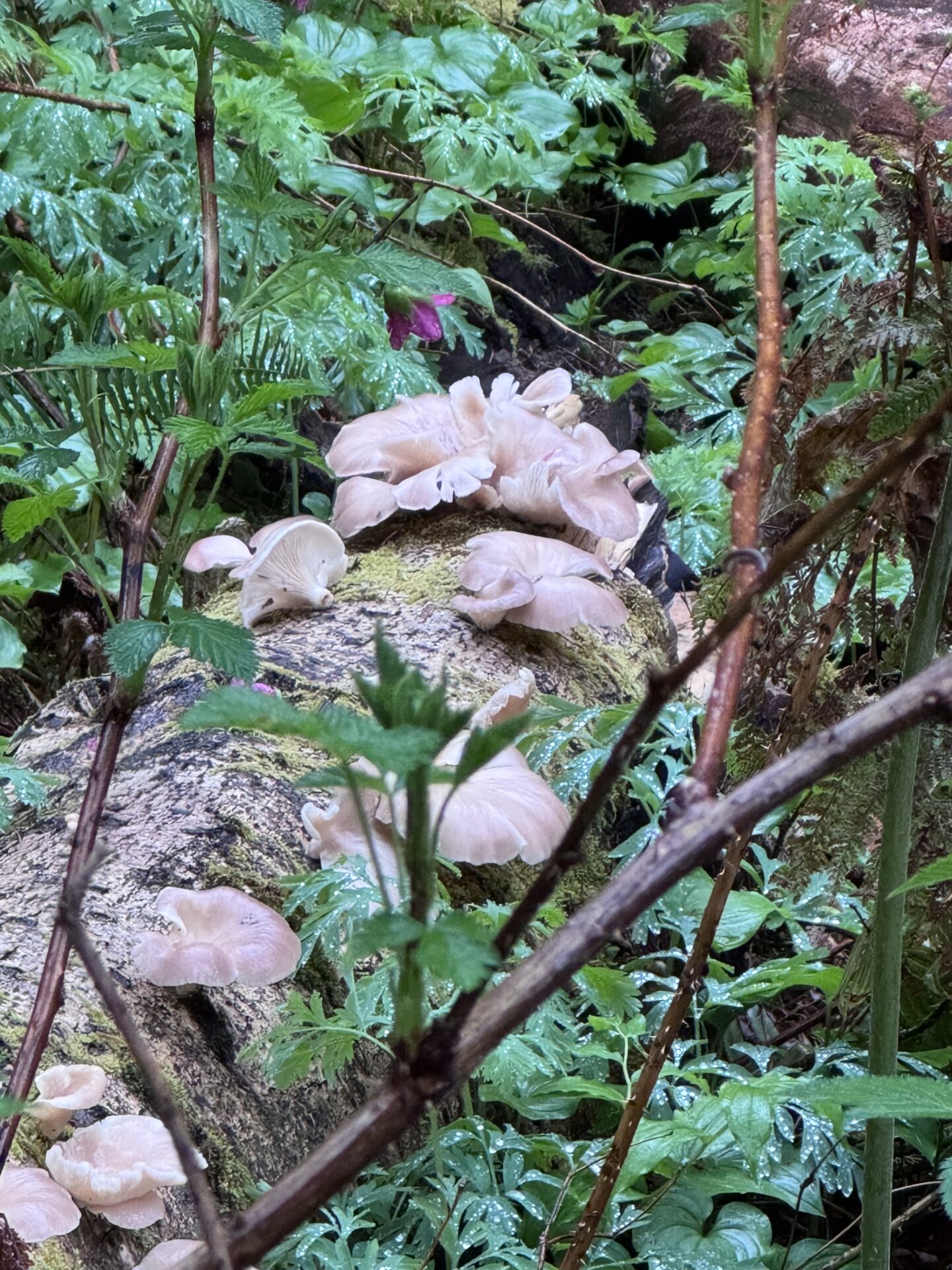
This might sound contradictory, but it’s been one of the biggest lessons. One thing is clear: we miss a lot when we’re moving too fast. Slowing down – even just a little – has helped us notice more. What’s growing, what’s changing with the seasons, what’s right in front of us. Foraging has reinforced that kind of awareness and mindfulness. While hiking on our trip in Oregon, we were able to identify plants like wild ginger, cleaver, and oyster mushrooms along the trails – something we would have completely missed before.
At the same time, we’re learning to act faster – before everything feels perfectly planned. It’s easy to get stuck researching, second-guessing, or waiting until we “know enough.” But we know that’s not how we learn. We learn by doing. By planting the garden, even if we’re not sure we’re doing it exactly right. By putting the tree in the ground, even if we might move it later. What’s the worst that happens? It doesn’t thrive, and we adjust. We have faith that, more often than not, something will grow. And so will we!
What’s Next?
As we wrote this, we realized these lessons go beyond food and land. They apply to almost every part of life. Wherever you are on your REAL food journey, maybe there’s something here you can apply to your own situation.
Just know that we’re right there with you – learning, adjusting, improving. Asking better questions. Sourcing better ingredients. Paying attention to what’s been in front of us all along. And most importantly – continuing to enjoy delicious REAL food and inspiring others to do the same.
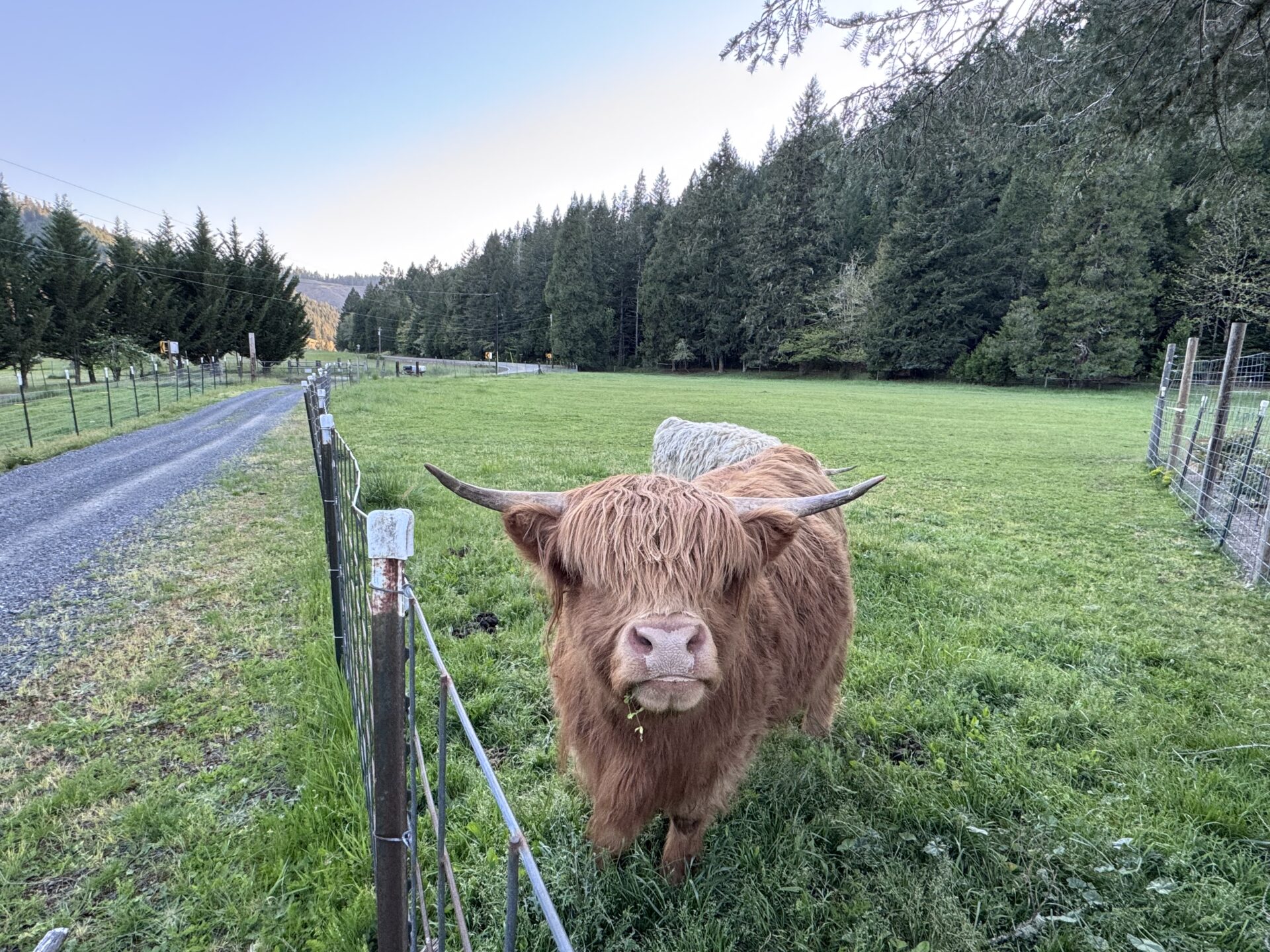
And one more thing I have to share – one of my favorite parts of our Oregon trip was staying at an Airbnb where the owners raise Highland cattle. Feeding and interacting with them was so much fun – my favorite pair were Princess and Nugget. Now I have to convince Scott that we need a few of these for our property!
Oh, I love hearing about your journey! As always, thanks for sharing and inspiring us!
Oh my goodness! Cows and a garden. I am so impressed and look forward to continuing to hear about your journey.
Thank you! Hopefully by the time you visit we will have something growing! 🙂
Thank you Brenda! Thank you for always encouraging and supporting us!
What a great article! Thank you for taking the time to write this. Perspective!
I would have thought you would have requested a chicken or 2 to add an egg on you meals . LOL.
Dee – We have definitely thought about it! Ha! Although right now we have a sweet neighbor keeping us well stocked with eggs from their chickens! 🙂
Thank you – we are so happy you enjoyed it!
What a delightful account of your move! Best wishes on this great adventure and thanks for taking us all along. I look forward to more reports of new finds and foods.
Thank you – we will keep you posted Elizabeth!
Your journey isn’t something I could do however I applaud and appreciate your efforts! Great article I enjoyed reading!
Thank you Jane – amazingly, we were not sure we could do this at first either! Ha!
So fun to hear of your new adventures! Our next trip to Missouri we want to try some of those restaurants you have experienced! Here I was thrilled to have found range free chicken for $1.99 a pound 🤗
That is fantastic – you will have to come visit again and we will add more to your experience! At least now we have furniture! 🙂
🤗
Missouri looks so happy on you both! This time of growth is inspirational coming from someone that was born and raised in MO and has never considered this perspective. Welcome to the Show-Me state!
Thank you Nancy – we love the Show-Me state and grew up here too so it feels like coming home!
Really enjoyed reading about your adventures. Best wishes for future discoveries and fun. I vote for Princess and Nugget clones too !! Keep us up-to-date… sure you will.
Thanks for the vote of confidence – we will keep you posted!
I enjoyed reading about your adventures since arriving in MO and your uplifting comments about approaching obstacles that could pertain to many of us.
Would you please send me a link to the Airbnb you stayed at? I’m thinking this would be a perfect gift idea for someone special.
Lois – Thank you! Here is the link to the Air B&B in Oregon with the Highland cows, the couple that owns it were so kind and fantastic, it feels like the middle of nowhere in the country but it was beautiful and so worth it! https://www.airbnb.com/rooms/1250819529469944292?guests=1&adults=1&s=67&unique_share_id=772d0517-5e28-41c2-937f-389f23dee1ed
It is amazing to move to begin with and you did it. I know you and Scott will figure out everything in time and you will thrive in your new home and land.
I still have to discover Oregon. I have never been there and it is only about 5 hours drive from Vancouver.
I am excited about the Farmer’s Market opening tomorrow in my area.
Your new home is an adventure! How exciting! Thank you for sharing :))