
“If you eat a wide variety of REAL food, the nutrients will take care of themselves.”
We say this often at Eat REAL America—but for many people, it almost sounds too simple.
After all, we’ve been taught for years to track, count, and worry:
- Am I getting enough protein?
- Should I be eating more fiber?
- What about potassium, calcium, antioxidants, healthy fats?
It’s easy to feel like you need a spreadsheet—or a tracking app—to make sure you’re “doing it right.”
But here’s the truth:
When you consistently eat a wide variety of REAL, minimally processed foods, your nutrient needs are met naturally—without obsessing, counting, or stressing.
Let’s unpack what we mean.
The Problem with Obsessing About a Single Nutrient
Most of us were taught to associate specific nutrients with just one food:
- Protein = meat
- Potassium = bananas
- Fiber = beans
- Calcium = milk
Those foods do contain those nutrients—but they’re far from the whole story.
When we reduce nutrients to a single “poster child” food, we miss the incredible diversity of options that REAL food provides. And worse, we can start to believe that if we don’t like or eat that one food, we’re automatically deficient.
REAL food doesn’t work that way.
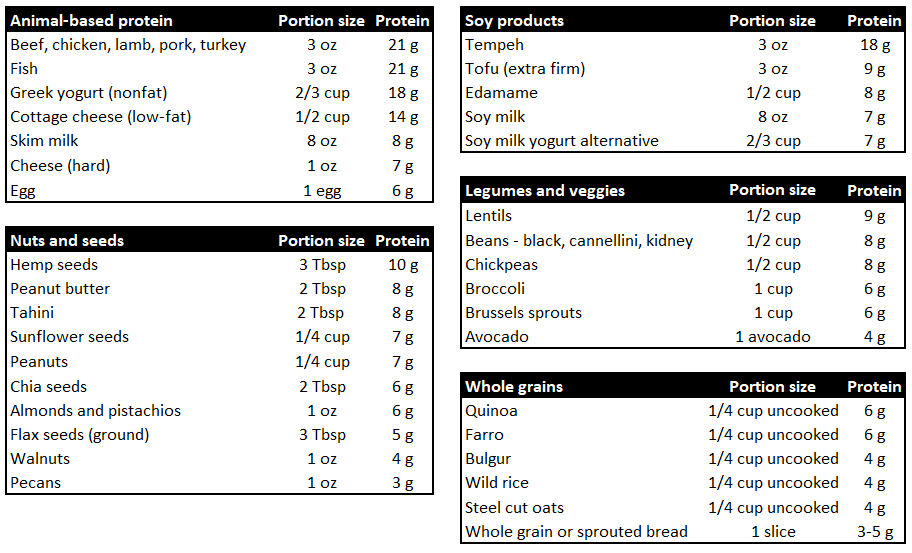
Protein: It’s Not Just About Meat
Protein is often the first nutrient people worry about—and understandably so. It’s essential for muscle, metabolism, immune function, and overall health.
But protein doesn’t only live in meat.
In addition to animal proteins like beef, chicken, fish, eggs, and dairy, you’ll also find meaningful amounts of protein in:
- Beans and lentils
- Nuts and seeds
- Whole grains
- Vegetables (yes, even vegetables!)
When you eat a variety of these foods throughout the day, protein adds up quickly—without forcing oversized portions or constant calculations.
👉 If you’d like a deeper dive, we walk through this in more detail in our coaching tip Are You Getting Enough Protein?
Fiber: So Much More Than Beans
Beans are a great source of fiber—but they’re not the only one.
Fiber is found in:
- Vegetables of all kinds
- Fruits
- Whole grains
- Nuts and seeds
- Legumes
When your plate is filled with colorful plants in different forms, fiber shows up naturally. And fiber doesn’t just support digestion—it plays a key role in blood sugar balance, heart health, gut health, and even fullness.
You don’t need to hit an exact number every day. Instead, focus on variety and consistency.
👉 Read more about fiber (and how delicious it can be!) in our coaching tip Fiberlicious!
Potassium: Not Just a Banana Story

Bananas get all the potassium glory, but they’re hardly alone.
Potassium is abundant in many REAL foods, including:
- Potatoes and sweet potatoes
- Leafy greens
- Squash
- Beans
- Yogurt and dairy
- Fish
This is especially important because potassium helps counterbalance sodium and supports heart health, muscle function, and fluid balance.
When your meals are built from REAL foods rather than ultra-processed ones, potassium intake tends to rise naturally—no banana quota required.
👉 This idea is explored further in our coaching tip Why It’s Not Just About Reducing Sodium.
Calcium: Bigger Than the Milk Carton
Milk and dairy products are well-known calcium sources, but they’re not the only players.
Calcium also comes from:
- Yogurt and cheese
- Leafy greens including kale and collards
- Beans
- Nuts and seeds
- Certain fish
When you regularly eat these foods, calcium becomes part of the bigger picture—supporting bone health, muscle contraction, and nerve signaling without relying on a single source.
Antioxidants & Healthy Fats
Some nutrients don’t get tracked as closely—but they’re just as powerful.
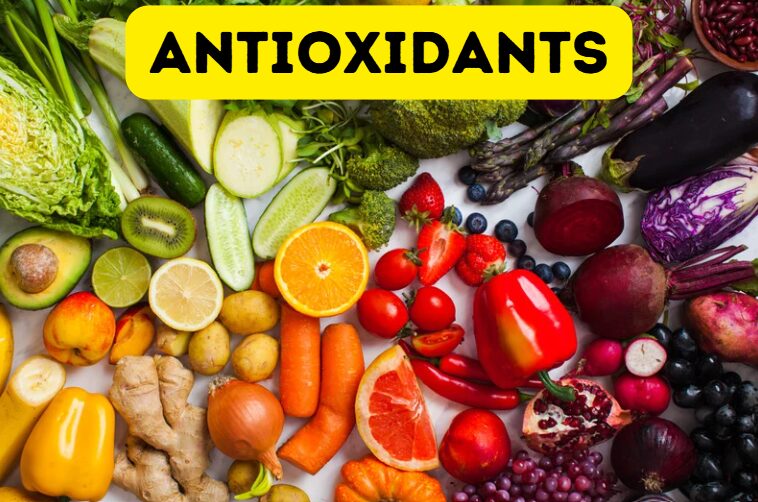
Antioxidants help protect your cells from damage and are found throughout the plant world:
- Fruits and vegetables of all colors
- Herbs and spices
- Nuts and seeds
Healthy fats support hormone health, brain function, and nutrient absorption and show up in:
- Olive oil
- Avocados
- Nuts and seeds
- Fatty fish
The more diverse your food choices, the broader your antioxidant and healthy fat intake becomes—without effort.
👉 We talk about antioxidants and protecting your body in our coaching tip Antioxidants: Your Weapon Against Aging and Disease.
What About Supplements?
This is where a quote from one of our favorite experts, Dr. B (Dr. Will Bulsiewicz), comes in:
“You can’t out-supplement a bad diet.”

Supplements were never meant to replace REAL food—and no amount of pills can undo a diet built on ultra-processed foods.
But that doesn’t mean supplements have no role.
Think of food as the foundation of the house. Supplements are helpful once the structure is solid, but are not much use without it.
When you eat a wide variety of REAL foods, you’re already covering the vast majority of your nutrient needs in the most bioavailable, balanced way possible. From there, supplements can help address:
- Individual needs
- Life stages
- Specific deficiencies
- Unique health goals
In other words, get the food right first.
Then – and only then – consider what supplements might further support your health. REAL food does the heavy lifting. Supplements are there to play a supporting role.
The Big Picture: Variety Over Vigilance
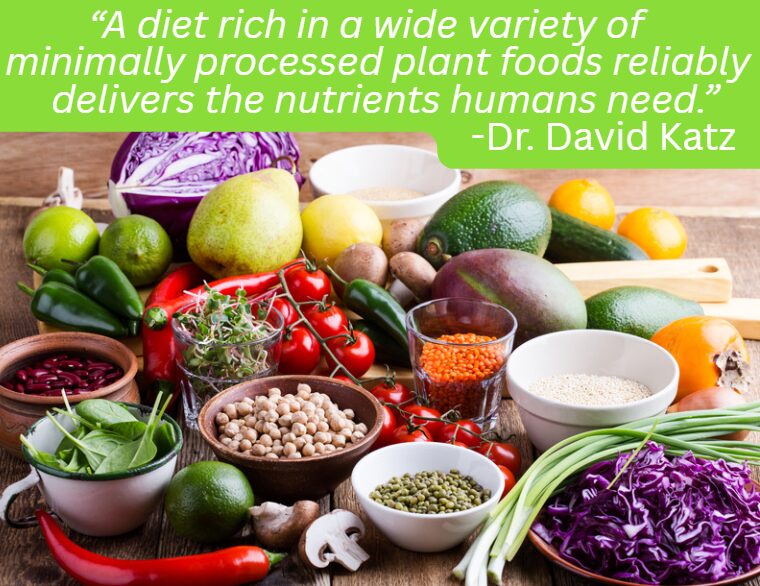
Your body is incredibly smart. It doesn’t need you to micromanage every gram—it needs you to nourish it consistently.
When you:
- Eat a wide variety of REAL foods
- Combine proteins, plants, fiber, fats, and flavors
- Focus on meals instead of math
…the nutrients truly do take care of themselves.
That’s the heart of the Eat REAL America approach:
Fantastic article
Very informative. Love the chart!
Thank You!
I always worry about my body getting enough fiber for a medical condition that I have. I find it very hard to consume the quantity of daily grams of fiber required. Eat Real program helps to ease the pressure with new healthy recipes and reinforcing the message of variety.
This is a great article with so much useful information. Thank you so much for simplifying a confusing topic.
Very helpful. Frank & I are plant based eaters except once & awhile when dining out or at other people’s home, keeping in mind a DietFree mentality. The most often asked question is “Where do you get your protein?” as they suspiciously eye us or judge us as cheaters when we do reach for something animal. Especially Frank’s siblings who think this is all my fault.😂😂
Now I have a handy dandy chart to pull out-THANK YOU!!!