
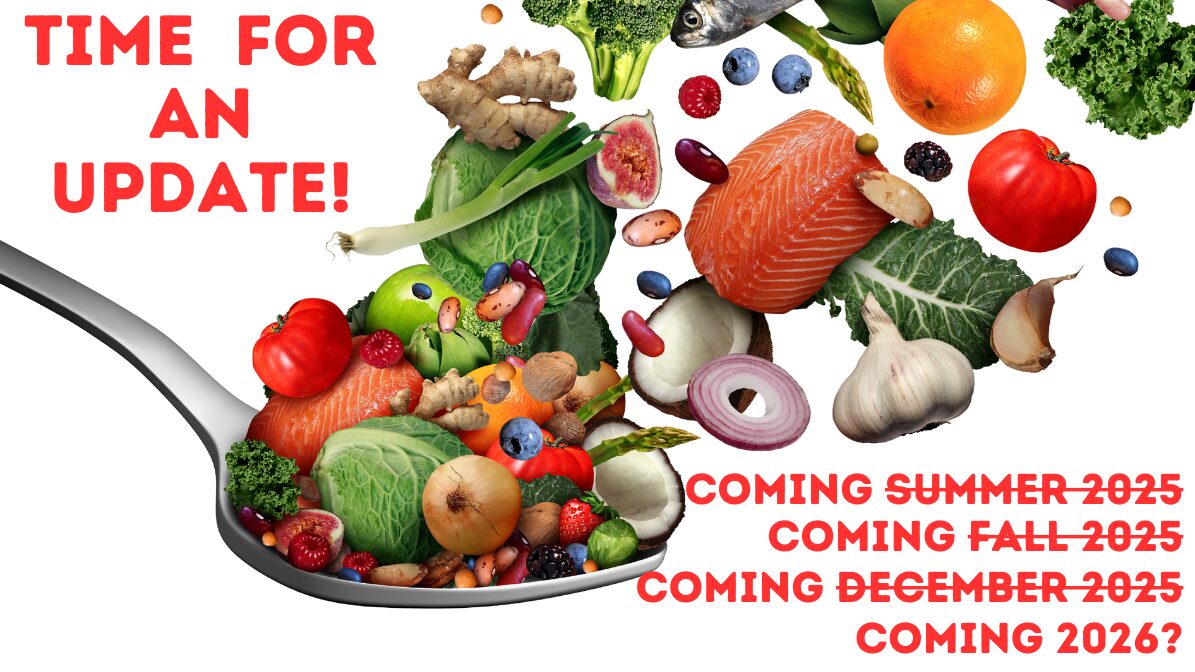
Do you remember our coaching tip last December about the highly anticipated update to the U.S. Dietary Guidelines?
If not, we encourage you to check it out here!
Federal law requires the guidelines to be updated every 5 years, and since the last update was in 2020, the new guidelines were to be finalized in 2025. First, the release was promised for late summer or early fall. Then it got pushed to late fall…and finally to December. But just as we were gearing up to share our reaction to the new guidelines, we got word last week the release won’t happen until early 2026.
So apparently, they are still marinating!
We were having a lively discussion last week about what we thought would – and wouldn’t – be in the new guidelines. As we were debating the contents of the scientific report, the public comments that have been collected, and all the speculation among “industry experts,” we thought it would be fun to ask AI, “based on the latest drafts, trends, and signals from the administration, what will likely show up in the new dietary guidelines?”
Here’s AI’s prediction:
1. A Bigger Push Toward Plant-Forward Eating
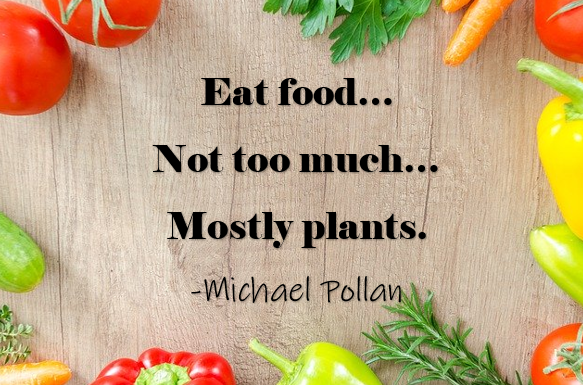
Expect the guidelines to give stronger encouragement to make plant foods the foundation of the plate — not in a “go vegan” way, but in a realistic, flexible way.
This includes:
More beans, lentils, peas, nuts, and seeds
More fruits and vegetables
More whole grains
Leaning less on red and processed meats as the default “protein”
There has been talk of consolidating all dietary patterns (Healthy U.S.-Style, Mediterranean, Vegetarian) into one flexible model — something like “Eat Healthy Your Way.” This would highlight plants as a core feature but leave room for different lifestyles.
For Eat REAL America members, this is basically a pat on the back for what they’re already doing in their own kitchens.
2. A Re-evaluation of Dairy and Saturated Fat

Dairy is one of the most debated parts of the guidelines, and 2026 may bring a more nuanced stance:
Continued support for dairy or fortified non-dairy alternatives
Possible update to how much we “need” dairy and what forms are best
Renewed discussion of saturated fat — though the guidelines will almost certainly continue recommending limits
The trend is moving away from rigid categories (“only low-fat dairy”) toward a whole-food context (“choose minimally processed options that fit your overall eating pattern”).
3. A Strong Emphasis on Nutrient Density
This one feels nearly guaranteed.
Americans fall short on several key nutrients, especially:
Fiber
Vitamin D
Potassium
Calcium
Magnesium
The guidelines will likely highlight nutrient-dense foods — especially leafy greens, legumes, nuts, seeds, fruit, and whole grains.
For Eat REAL America members, this is simply a confirmation that your kitchen habits are right on track.
4. More Attention to Ultra-Processed Foods
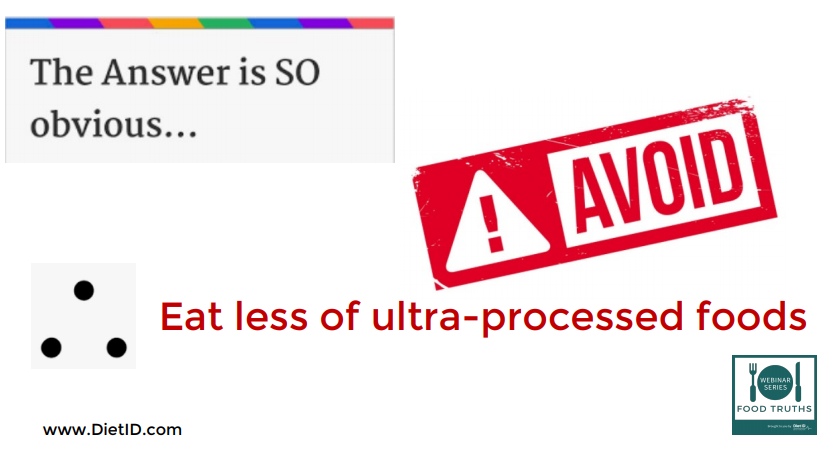
For the first time, ultra-processed foods (UPFs) are expected to get a noticeable mention.
Not a complete ban. Not a guilt trip.
But clearer guidance to:
Limit foods with long ingredient lists and heavy processing
Choose whole or minimally processed foods when possible
Reduce reliance on packaged, hyper-palatable convenience foods
This shift reflects the growing global research showing that UPFs — regardless of calories — are linked to overeating, inflammation, gut imbalance, and chronic disease.
If you already cook from scratch or use simple ingredients, the guidelines will sound like validation.
5. A More Flexible, Culturally Aware “Healthy Pattern”
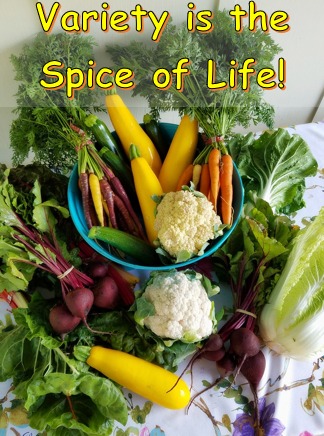
The DGAs are expected to simplify their recommendations by focusing on core principles rather than strict templates.
Think:
More flexibility for cultural and regional diets
More emphasis on building a plate that works for your background, budget, and preferences
Less pressure to fit into a single “official” meal pattern
This makes the guidelines more practical — and much closer to how REAL people actually eat.
6. Continued Limits on Added Sugar and Sodium
This won’t surprise anyone, but sugar and sodium guidelines will stay strong — possibly even tighter on added sugars, especially for children.
This reflects concerns about metabolic health, childhood obesity, and the massive role sugary drinks and snacks play in American diets.
7. Clearer Guidance for Infants, Toddlers & Moms
Recent guideline cycles have expanded recommendations for pregnancy, postpartum, and early childhood. Expect:
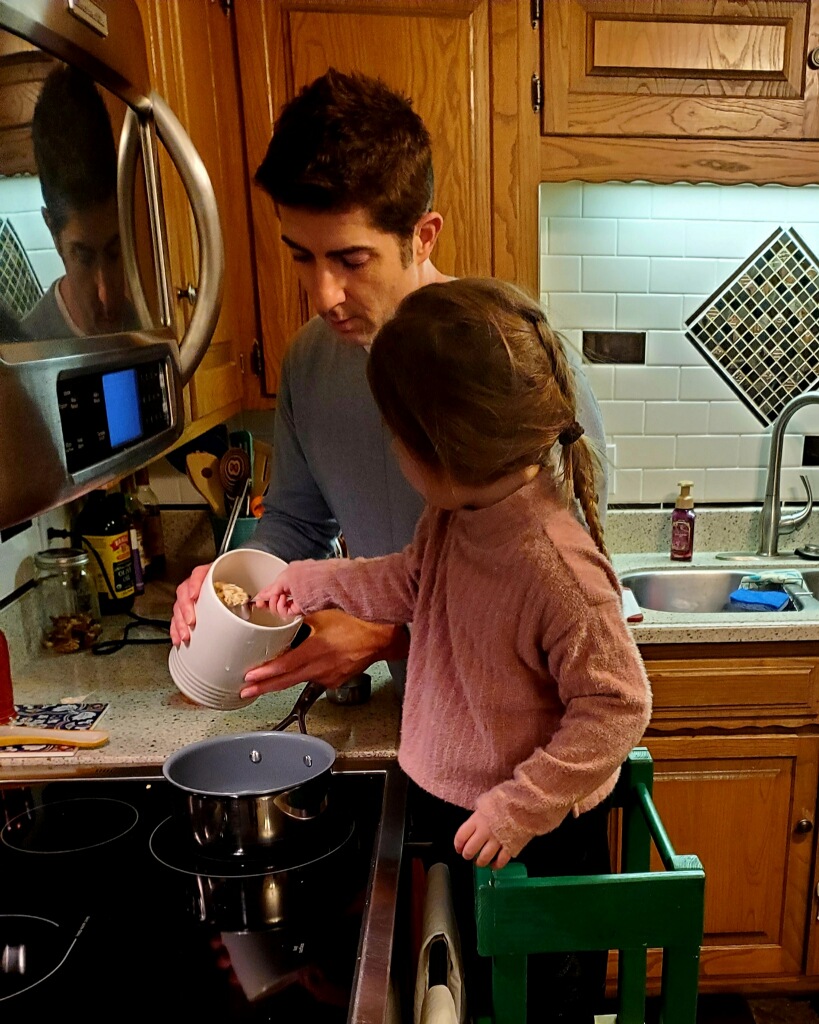
Emphasis on nutrient-dense foods
Avoiding added sugar for young children
Early introduction of allergens
Support for seafood consumption (for DHA)
More clarity around iron-rich foods for toddlers
So… what does this mean for Eat REAL America members?
Honestly? It validates what you’re already doing:
Cooking with whole, REAL ingredients
Filling your plate with plants
Using the right types and amounts healthy fats to enhance flavor and absorb nutrients
Minimizing ultra-processed foods
Offering flexible patterns, not rigid diets
In 2026, when the official guidelines drop, your approach to eating may be more aligned with federal guidance than ever before!
And for Eat REAL America members, this AI-powered prediction offers a hopeful message:
Healthy eating is getting simpler, more flexible, and more REAL.
Your Turn!
AI’s prediction is in.
Now it’s your turn: Is there something you feel strongly should be included—or excluded?
Leave A Comment