

What is your perception of “root vegetables?”
Some might say, “I’m not even sure what qualifies as a root vegetable.” Others say, “I have no idea what to do with many of them.” And, of course, we can’t leave out the most common reaction…“they taste like dirt!”
As the weather turns cooler and the holiday season continues on, it’s only natural to crave warmer, heartier foods. This is the time of year when our bodies naturally look for comfort and nourishment – and one of the best ways to provide that is by adding more root vegetables to our plates!
What are root vegetables?
Plant roots we can – and should – eat! Root vegetables grow beneath the surface of the soil, absorbing nutrients, minerals, and energy from the earth. So, we are talking about carrots, potatoes, sweet potatoes, parsnips, beets, and more! And right now, they are in peak season! So, if eating in-season is important to you (and we really hope it is), then you should be enjoying them right now! They are not only more flavorful, but more affordable and nutrient-rich as well.
They also have a long shelf life. Store them in a cool, dry place (or in the refrigerator crisper drawer) and they can last for weeks. This makes them perfect for meal planning during the busy holiday season.
Why Root Vegetables Deserve a Place on Your Plate
They offer an incredible list of benefits:
They are rich in fiber, helping support digestion and keeping you feeling full and satisfied
They are packed with vitamins and minerals, including vitamin A, vitamin C, potassium, and antioxidants
Their higher complex carbohydrate content provides steady, sustainable energy
They naturally support a healthy immune system — perfect for cold and flu season
They are versatile, budget-friendly, and store incredibly well
And, the added bonus? When temperatures drop, many root vegetables actually convert their starches into natural sugars, making them even more naturally sweet and delicious.
Root Vegetables to Look For This Season

Next time you’re at the grocery store or farmers’ market, keep an eye out for:
- Carrots
- Potatoes and sweet potatoes
- Beets
- Turnips
- Parsnips
- Radishes and daikon
- Kohlrabi
- Rutabaga
- Jicama
- Ginger root
- Onions and garlic
Each of these vegetables has its own unique flavor profile and nutritional benefits. And they all share that earthy quality that feels especially comforting during the cooler months.
Delicious ways to Enjoy Them!
You don’t need a fancy recipe to enjoy root vegetables – in fact, they shine brightest when kept simple. Some of our favorite ways to enjoy them include roasting them (olive oil + salt + pepper and roast until caramelized and tender), mashing them (swap out traditional white potatoes for roasted carrots, sweet potatoes or turnips), adding them to soups (so warm and comforting!), adding them to bowls and salads (perfect additions to Buddha bowls), and enjoying them raw (sliced carrots, radishes, kohlrabi and jicama are ideal served alongside dips and hummus).
Here are just a few incredibly delicious ideas to get you inspired:
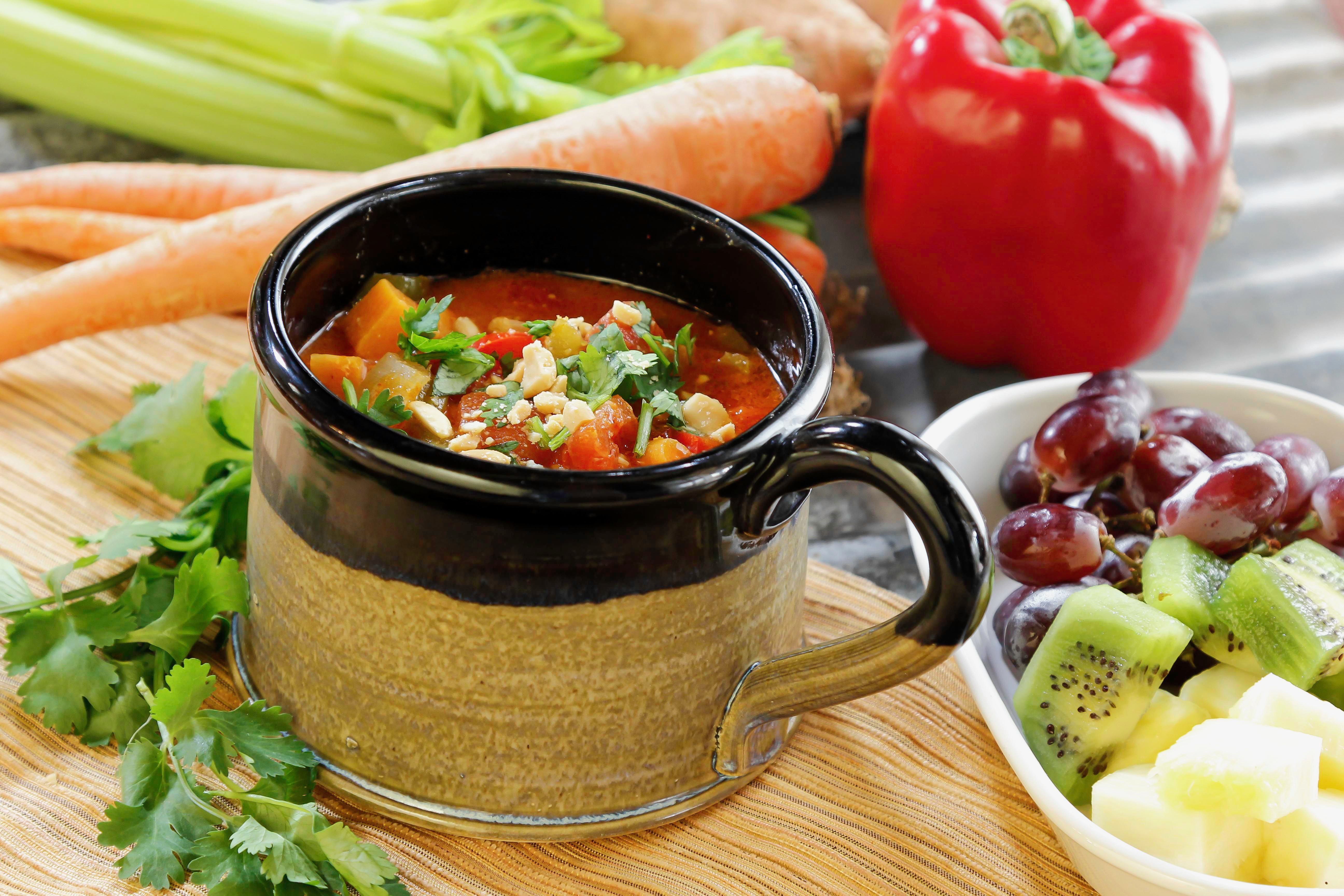
- Carrots – of course most of us just eat them raw, but have you ever roasted carrots? Amazing! Try the Curry Roasted Cauliflower and Carrots, Roasted Beets and Carrots with Goat Cheese Vinaigrette or the Roasted Carrot Spinach Salad.
- Sweet Potatoes – whenever we hear someone say they don’t like sweet potatoes, our question is always, “have you had them other than at Thanksgiving with marshmallows and brown sugar?” There are endless spectacular ways to prepare them! Here are just a few favorites: Sweet Potatoes with Pecans and Goat Cheese, Sweet Potato Hash with Egg on Top, Loaded Sweet Potato with Mexican Chili and Spicy Peanut Sweet Potato Soup.
- Potatoes – potatoes often get a bad rap, but when eaten in their original form and prepared in a great-tasting, healthful way, they can actually be good for you! Check out the Great Potato Debate coaching tip to learn more! And then try Honey Dijon Roasted Potatoes or the Grilled Potato Salad with Chimichurri.
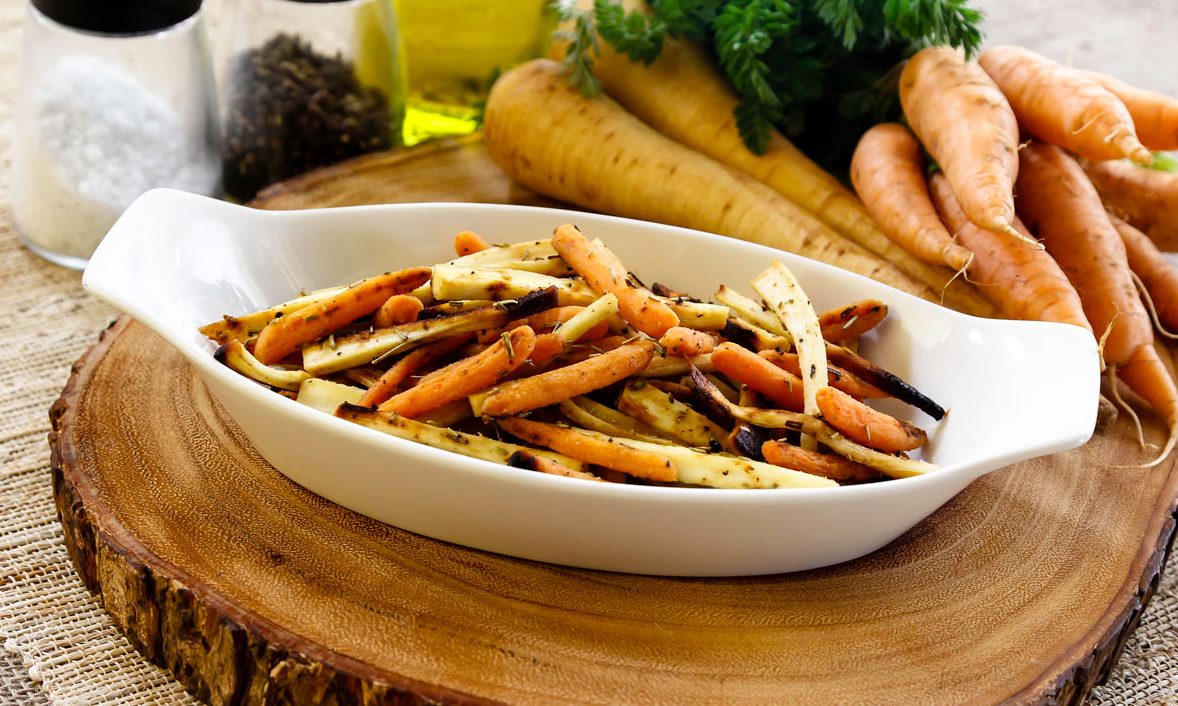
- Parsnips – an absolute favorite (even request by our son each year on his birthday) is Parsnip Fries! This cream-colored carrot looking vegetable is crazy good roasted because it caramelizes and becomes sweet as it cooks. It can also be added to soups and stews. Check out the Roasted Parsnip Chips and the Honey Dijon Roasted Carrots & Parsnips!
- Kohlrabi – this alien-looking vegetable may look intimidating, but it is completely worth the effort to add it to salads or stir-fry dishes. Considered the “poor man’s water chestnut,” kohlrabi tastes similar to a mild radish. Try Pork Chops with Apple Kohlrabi Slaw, Chile Kohlrabi Fries or the Glazed Turnip and Kohlrabi Salad.
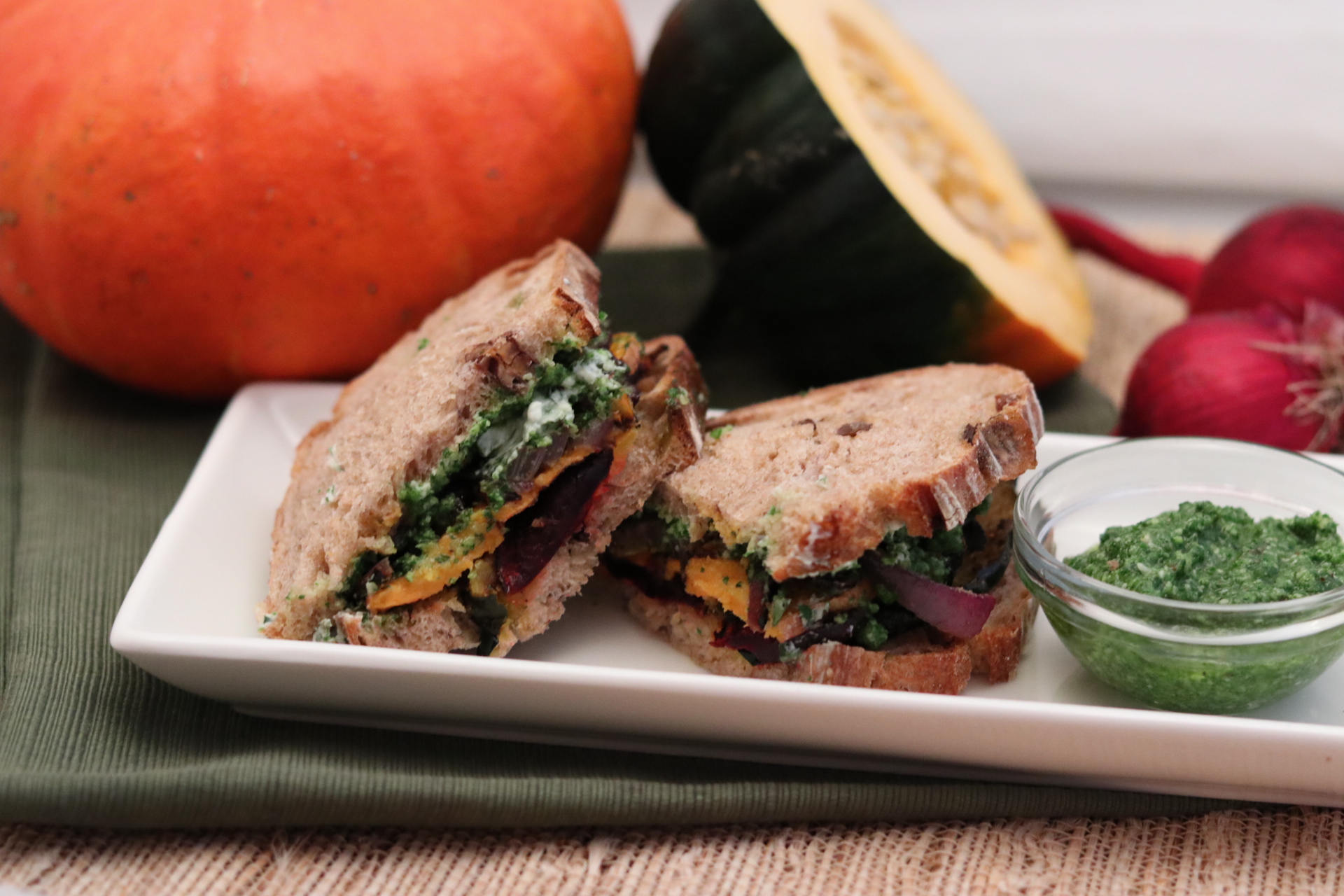
- Beets – a lot of people “think” they don’t like beets, but many Eat REAL America members have discovered a new love for beets thanks to some of these sides. Beets don’t have to taste like the pickled version on salad bars — try roasting them – it may make you a believer (if you are not already)! Check out the Roasted Beet Hummus, Autumn Roasted Veggie Sandwich, Montana Inspired Beet Salad, and the Roasted Beet and Bean Salad.
- Turnips – have you ever tried Grilled Turnips? This was a game-changer for us! We thought turnips were bitter and had to be boiled…were we wrong! When you grill or roast them, they become sweet and flavorful! You can also add them with potatoes and mash for a super delicious side dish!
- Jicama – sometimes referred to as a Mexican water chestnut, jicama has a sweet mild taste, similar to an apple. It is a great addition to stir-fry dishes because is stays crisp as it cooks…perfect when you want a little crunch! See what we mean with the Chicken Teriyaki Bowl, Jicama Fries, Sweet Curried Carrot Salad or Turkey Salad with Spicy Avocado Dressing (great for holiday leftovers!).
Inquiring Minds Want to Know…
We often receive questions about root vegetables, particularly about the differences among varieties. Here are a few possibly not-so-well-known tips about some of these veggies:
What is the difference between a yam and a sweet potato?
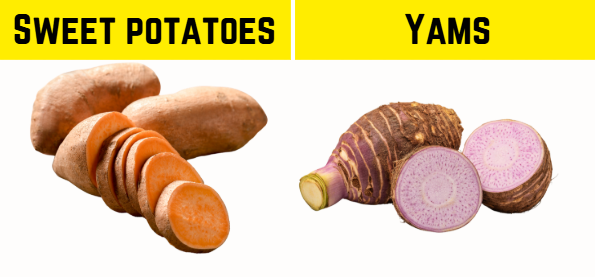
At the grocery store, you’ll often see “yams” sitting right next to sweet potatoes – but in most U.S. stores, those so-called yams aren’t yams at all. They’re simply a softer, darker fleshed variety of sweet potato. In fact, most sweet potatoes fall into two main categories: firm (lighter flesh) and soft (orange flesh). In the U.S., the soft variety is commonly mislabeled as a “yam” to help distinguish it from the firmer type.
True yams, on the other hand, are entirely different. They have a rough, bark-like brown skin and white, purple, or reddish flesh, and they’re much starchier and drier than sweet potatoes. You’ll typically only find real yams at international or specialty markets. Either way, sweet potatoes and yams are both delicious and nutritious!
What is the difference between a turnip and rutabaga?
Turnips and rutabagas belong to the same root vegetable family and can look quite similar at first glance, but there are a few easy ways to tell them apart. Rutabagas are usually larger, denser, and slightly sweeter, with a yellowish flesh, while turnips tend to be smaller with white flesh and a more peppery bite. Fun fact: rutabagas are actually a hybrid of a cabbage and a turnip, which is why their flavor is a bit milder and sweeter than a traditional turnip.
In the kitchen, both are versatile, but their textures and flavors shine differently. Turnips are more crisp and slightly spicy – great for roasting or adding to stews. Rutabagas and softer, sweeter and earthier – perfect for mashing and slow cooking.
How do you use a ginger root?
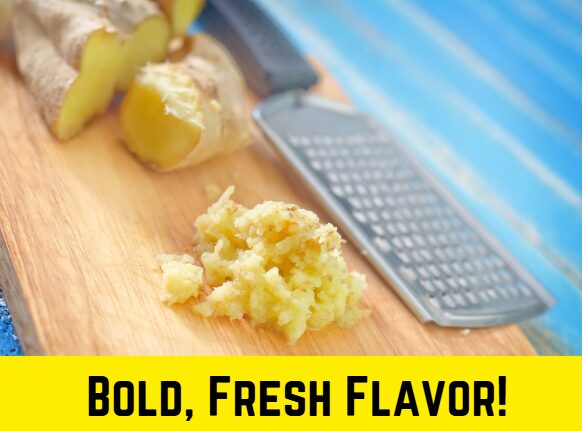
When you want bold, fresh ginger flavor, fresh ginger root is the way to go. Simply peel it and grate or finely mince – you’ll notice an instant pop of flavor that ground ginger just can’t match. As a general rule, 1 tablespoon of fresh ginger equals about 1/4 teaspoon of ground ginger in intensity.
One of our favorite tricks? Store fresh ginger in the freezer. It keeps indefinitely, is easier to grate straight from frozen, and means you’ll always have some on hand. Check out our quick video to see how easy it is.
You’ll still want to use ground ginger in most baking recipes, but fresh ginger truly shines in savory dishes – especially in Asian-inspired meals, stir-fries, marinades, and rice dishes. Try it in our Ginger Spiced Mushroom Burgers, Stir-Fried Greens with Jalapeño and Ginger or Sunshine Pineapple Rice for a bright, zesty boost. See our coaching tip for more about ginger!
Note: Ginger is safe for most people in normal amounts, but very high intakes may interact with certain medications or medical conditions, and it can slow down blood clotting.
A Real Food Reminder
Harvested straight from the soil, root vegetables are humble, nourishing, and powerful. They remind us that the best foods don’t need a label, a package, or a marketing campaign. They just need a place on our plate.
As you move through this busy season, consider “getting back to your roots” — and let these nourishing vegetables support your health in the most natural way possible.
Please share your great-tasting ideas for your favorite root vegetables!
Try roasting rutabaga. Delicious